



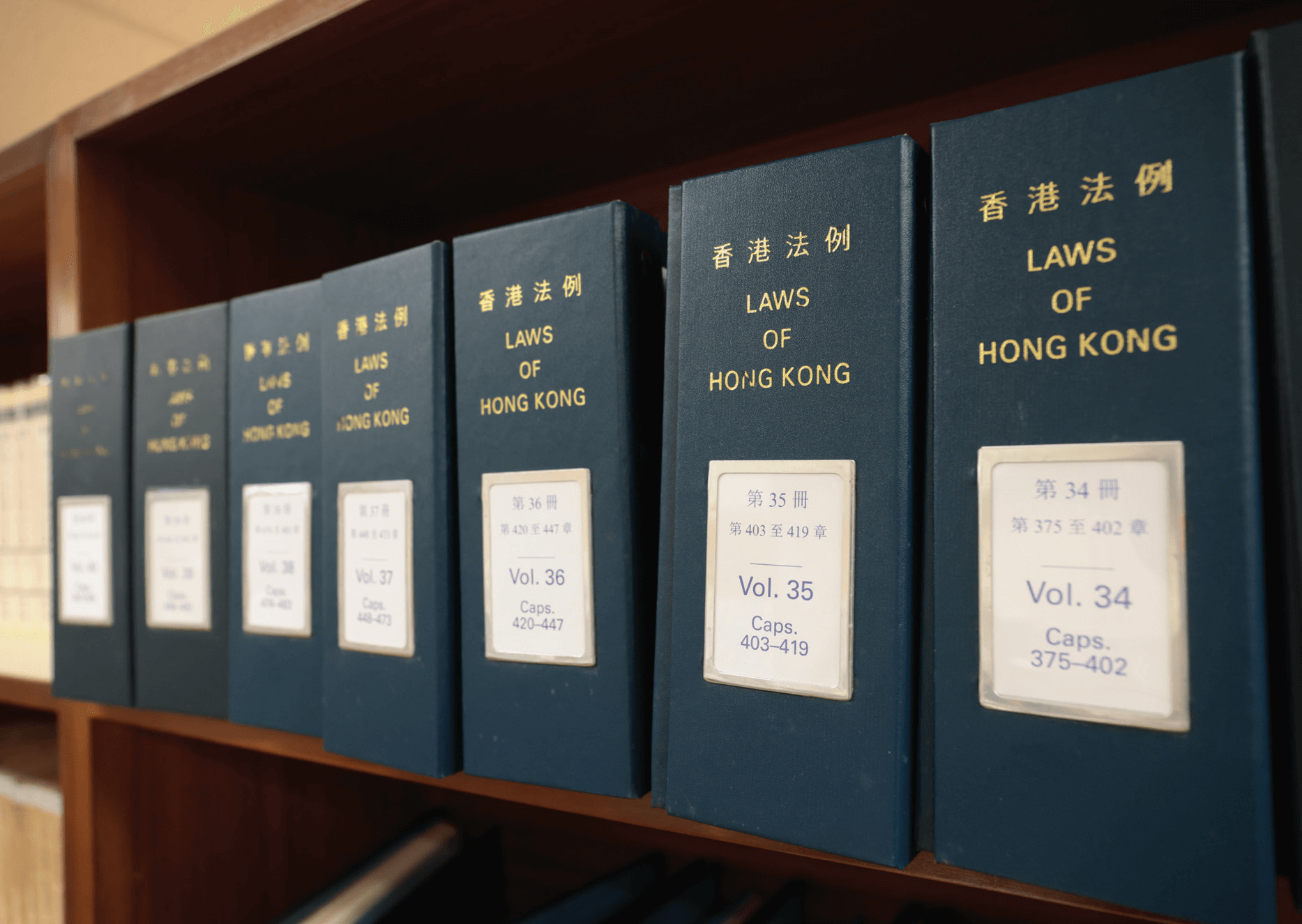
Hong Kong’s water supply and facilities are governed by the Waterworks Ordinance (WWO) and Waterworks Regulations (WWR) (Cap. 102 and 102A). Most provisions and the latest versions of the WWO and WWR came into force in 1975, with the former substituting the Waterworks Ordinance of 1938 and the latter regulating inside service. The WSD is thus empowered to be responsible for exploring and conserving water resources, as well as maintaining and managing public water supply facilities throughout Hong Kong. The WSD also regulates the construction and maintenance of inside service in individual properties. The two main objectives of the legislation are to safeguard water safety and to ensure water use efficiency. In recent years, the WSD plans to introduce legislative amendments to meet the current needs of the community.
The 2015 “lead in drinking water incident” highlighted the potential risks to water quality posed by inside service, raising concerns about water safety from source to tap. This led to enhanced monitoring and regulation of personnel and materials used in the plumbing work for a building’s inside service (see the article, “A Lead-free Water Supply System” in this chapter). The incident prompted a holistic review of the WWO and WWR to enhance water safety and efficiency for the future development of the city. The government has been conducting public consultation exercises on the proposed legislative amendments in phases since 2016.
The WSD has developed a management strategy to optimise the use and development of water resources in response to global climate change (see the article, "Planning a Sustainable Water Strategy for the Future" in Chapter 1). This strategy includes developing recycled water as a "new water resource", and reducing water consumption while promoting water efficiency. The WSD proposes to set efficiency targets for plumbing fixtures and water-consuming devices (see the article, "WELS - The Water Efficiency Labelling Scheme" in Chapter 6). It also requires a building’s responsible parties to properly maintain the inside service, especially for communal services in private properties, where leakage leads to wastage. The clear demarcation of the rights and responsibilities of owners and the introduction of a "communal water loss charge" will help to encourage proper management of the communal services by property owners. In addition, grassroots tenants in subdivided units of a building suffer from landlords overcharging for water. This is contrary to the original intention of Hong Kong’s public water supply services and there is an urgent need to introduce clear provisions in the law to prohibit this practice.
Proposed amendments to the WWO and WWR have been made in recent years. One of the amendments passed by the Legislative Council in 2018 was related to the control of plumbing works. This amendment specifies who is allowed to carry out certain plumbing works and prescribes the relevant responsibilities of these individuals and of licensed plumbers. The legislation also specifies time limits for prosecution by the Water Authority and empowers the authority to enter premises where plumbing works are being carried out and exercise the power of inspection and questioning.
In 2021, the Legislative Council passed legislation to regulate overcharging for water by landlords of subdivided flat tenants. The law specifies that registered consumers can only recover the actual water charges (i.e. the water charges collected by the WSD) from the tenant of the premises and contravening such requirement would be an offence. The WSD established a Scheme for Installation of Separate Water Meters for Subdivided Units to assist tenants of such units to install individual water meters and establish corresponding accounts. This provides tenants in subdivided units with a clear and accurate account of their water consumption.
- Enhancing the power vested in the Water Authority.
- Strengthening the regulation of trade practitioners for plumbing works, plumbing materials and drinking water dispensers.
- Introduction of the Registered Plumbing Contractor system.
- Mandatory continuing professional development for Licensed Plumbers.
- Raising penalties for contamination of inside service.
- Introducing provisions in the legislation to expand the local development of recycled water as a new water resource for non-potable use.
- Requiring owners to take responsibility for the proper maintenance of communal water pipes and the repair of water loss.
- Requiring major water consuming devices sold on the local market to be registered under the Water Efficiency Labelling Scheme, in line with the policy and regulations to "reduce water consumption" and "water leakage free" under the "water conservation" strategy.
- Raising charge of fresh water flushing on customers who fail to convert to seawater flushing within a reasonable time.