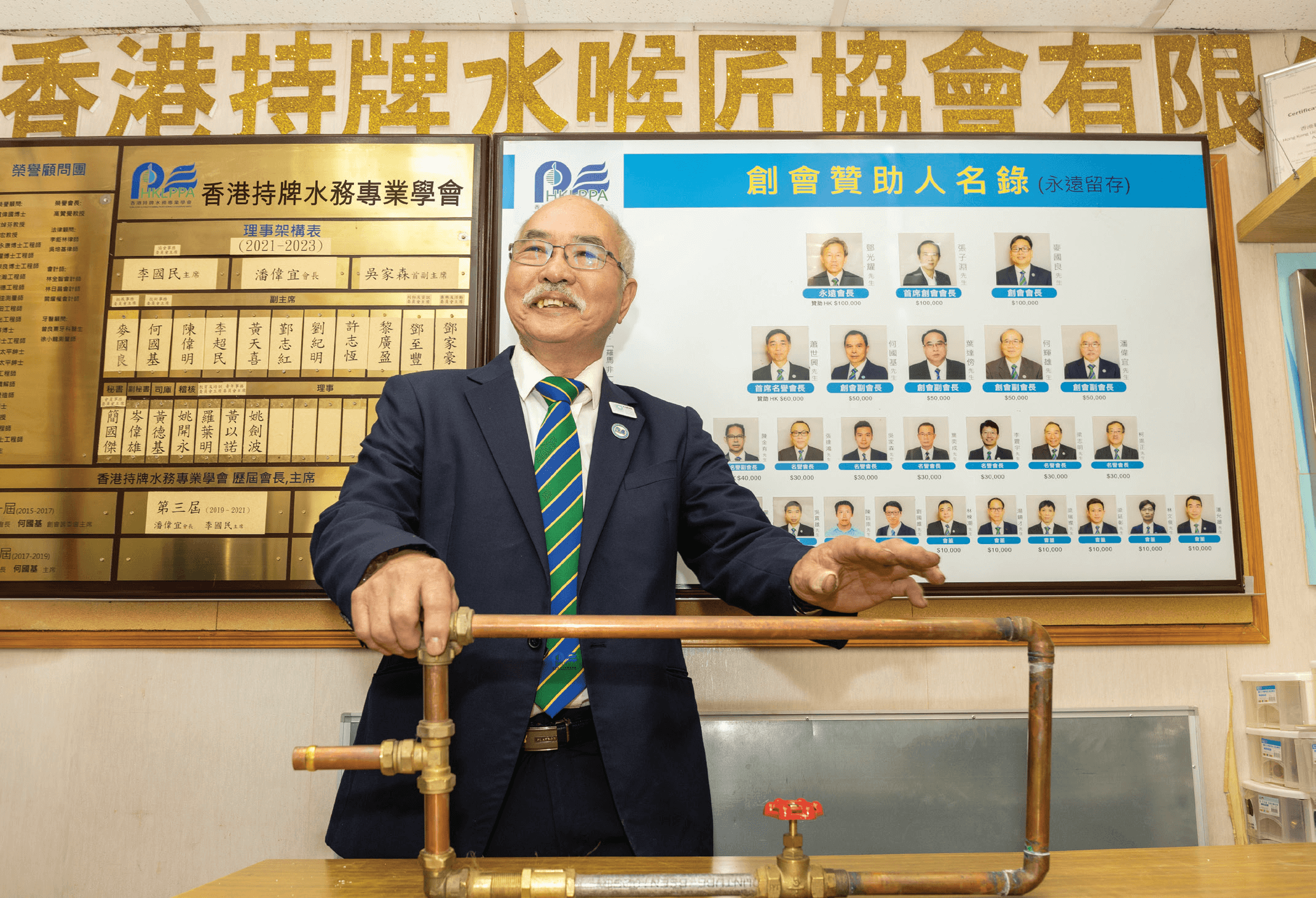



The public has probably heard of the professional designation “Licensed Plumber”. The plumbing profession and its work is closely related to the work of the WSD and plays a very important role in construction projects. Plumbers are part of the history and development of the city’s entire water supply system and the licensing of plumbers has concurrently evolved over the years. This article will discuss its evolution.
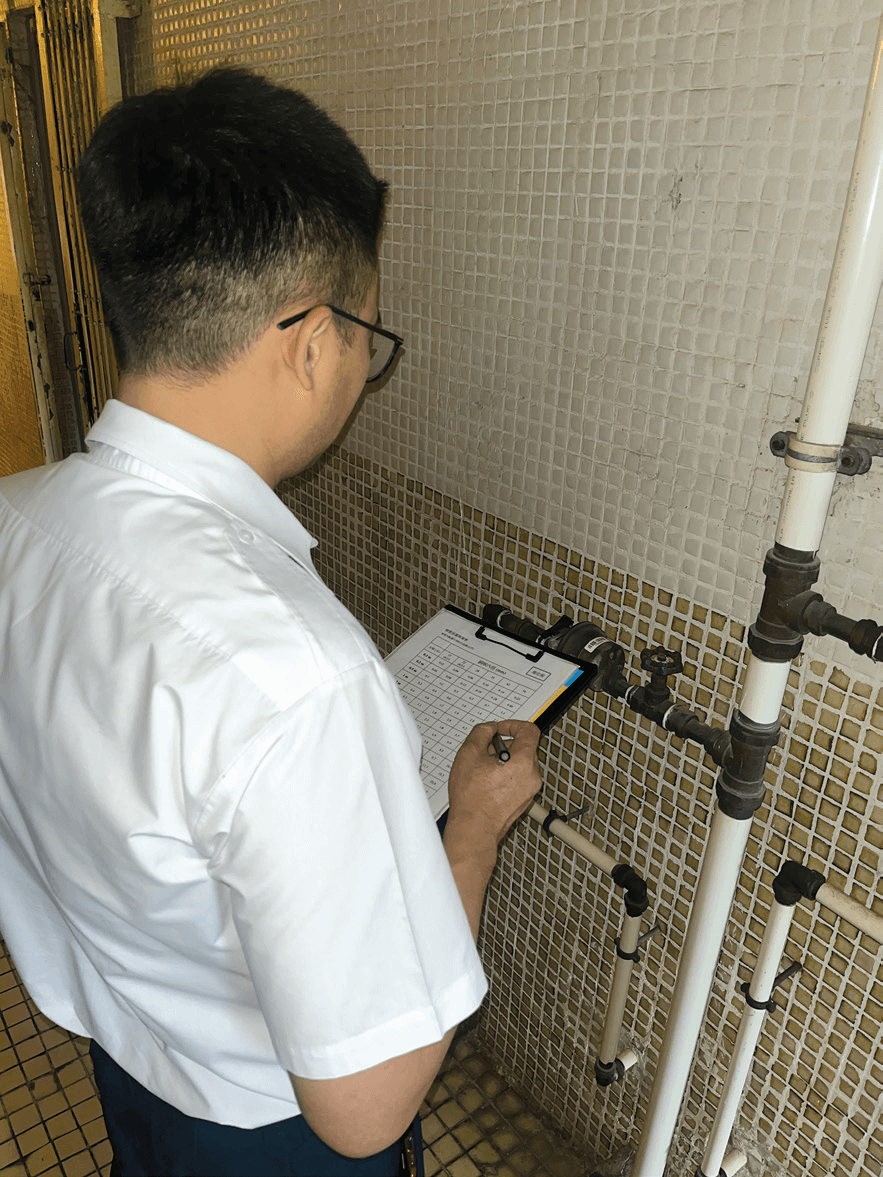
The government commenced the waterworks project to provide clean potable water to the city of Victoria in 1860 within a budget of £30,000. In 1902, the Waterworks Ordinance was amended, allowing owners or occupants of land lots to install a private water supply system in compliance with the legal requirements under the regulations and receive water supply from the waterworks with the consent of the Water Authority. However, the qualifications of those who could conduct the private plumbing works had not yet been defined.
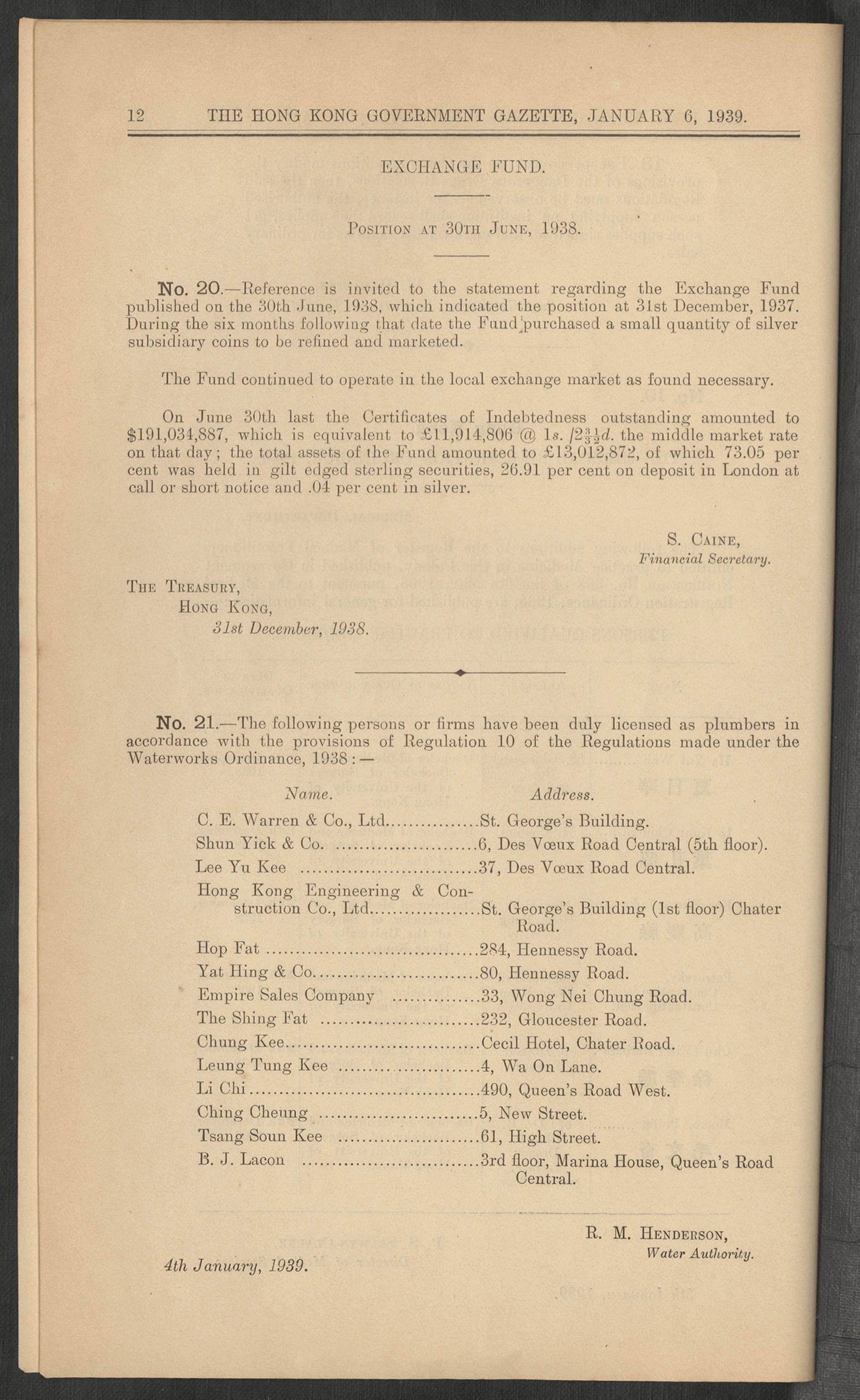
In 1938, the Waterworks Ordinance first introduced a licensing system for plumbers, specifying that only holders of certificates from the “the Royal Sanitary Institute”, “the Institute of Plumbers”, “the City and Guilds of London”, or other similarly qualified persons (or the firms employing them) recognised by the Water Authority, were eligible to be licensed. Licensed plumbers could provide their services either as individuals or on behalf of their organisations.
Since then, the profession of licensed plumbing has been established in Hong Kong, with the continuing mission to exert plumbing craft expertise to connect water supplies to buildings. In 1939, there were only 14 licensed plumbers gazetted in Hong Kong. Currently, Hong Kong has about 4,000 licensed plumbers.
The training of plumbers initially began through an apprenticeship system. Later on, the WSD assessed the professional qualifications of plumbers through an examination system and increasingly recognised those with academic qualifications. In the 1970s and 1980s, the WSD regularly reviewed the licensing system, including amendment of Regulation 34 of the Waterworks Regulations in 1974 to require applicants wishing to apply for a plumber's licence not only to have plumbing craft skills, but also adequate knowledge of the inside service and fire service under the Waterworks Ordinance. A point penalty system was introduced in 1985 to assess the performance of licensed plumbers during the inspection of plumbing works. Under certain circumstances, a plumber's licence could be cancelled or temporarily suspended.
CHENG Wai-cheong, Chairman of the Hong Kong Water Works Professionals Association, obtained his plumber's licence in the early 1980s. After submitting his application, he received the syllabus and the date of a written examination from the WSD. With his written examination passed afterword, a separate interview was required. "The written examination involved drawing a sketch of a plumbing layout design, such as the meter position or the location of a water heater in a centralised system. The interview required meeting four examiners, two expatriates and two locals. He had answered questions, which included the method of water supply application and about my apprenticeship.” recalled CHENG.
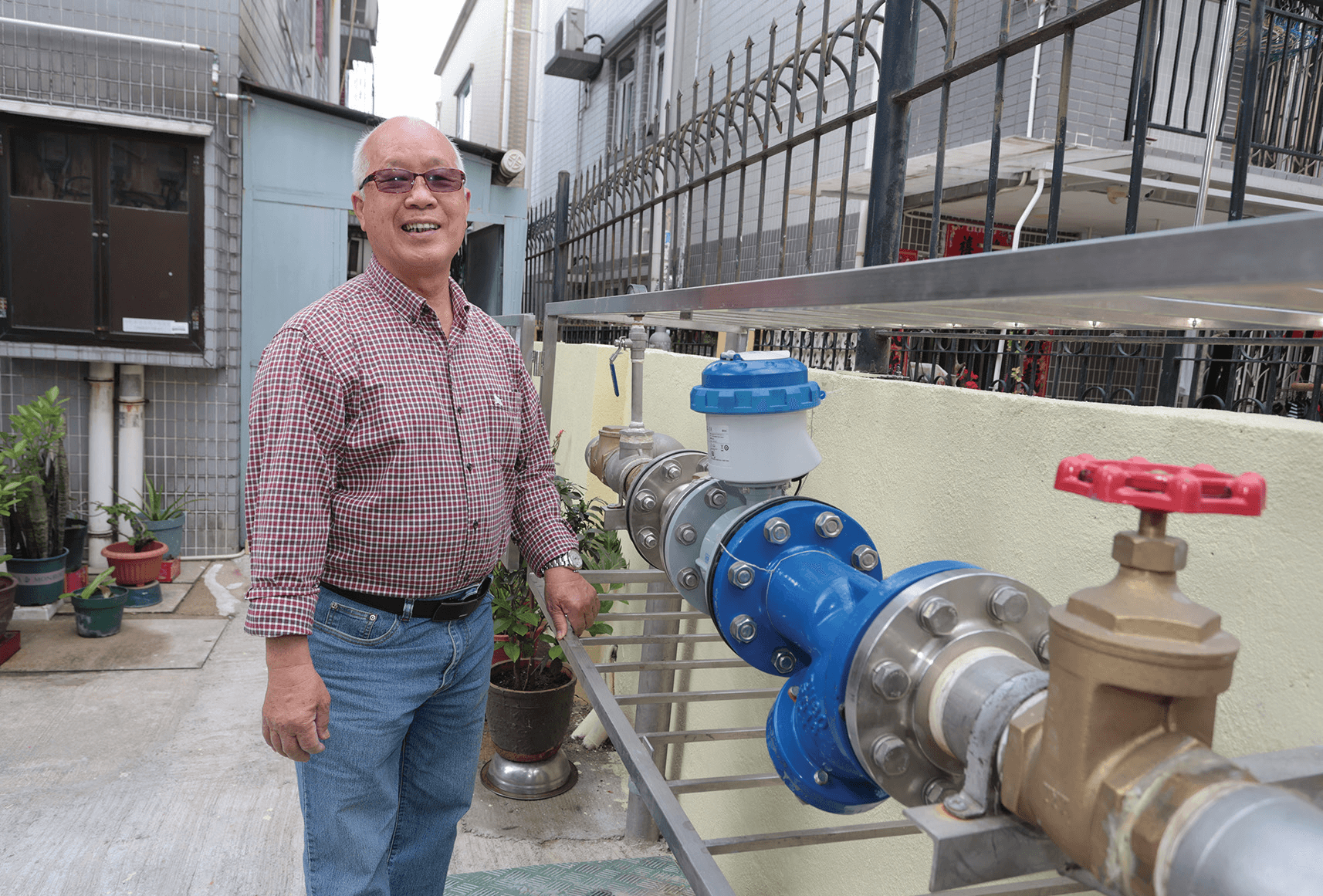
CHENG added that as there were no textbooks nor examination guidelines, it was mainly left to the apprentices to learn on-the-job. "It was really difficult to pass the examination," said CHENG. He pointed out that plumbers in those early days not only required professional qualifications, but also needed physical strength. "At that time, plumbing materials were so heavy. We had to carry many pipes and over ten kilograms of tools for our daily work. We also had to screw the threaded pipe couplings by hand. We had to eat a lot to gain strength!" said CHENG.
As Hong Kong's economy rapidly grew in the 1980s, applications for a plumber's licence mushroomed. During the emigration wave before 1997, a plumber’s licence became a means of earning a living overseas and attracted people from all walks of life wishing to enter the field. "Even doctors and accountants took the examinations to obtain licences before their emigration," recalled MA Yuk-ying, Life Honorary Chairman of the Hong Kong Institution of Plumbing and Drainage.
MA obtained his plumber’s licence in the 1990s. He said he had to take a written test and a test for design drawing after being interviewed by three examiners. "At that time, the licence needed to be renewed annually and was issued as a printed document," said MA. Subsequently, the examination was extended to cover trade tests, legislation and management.

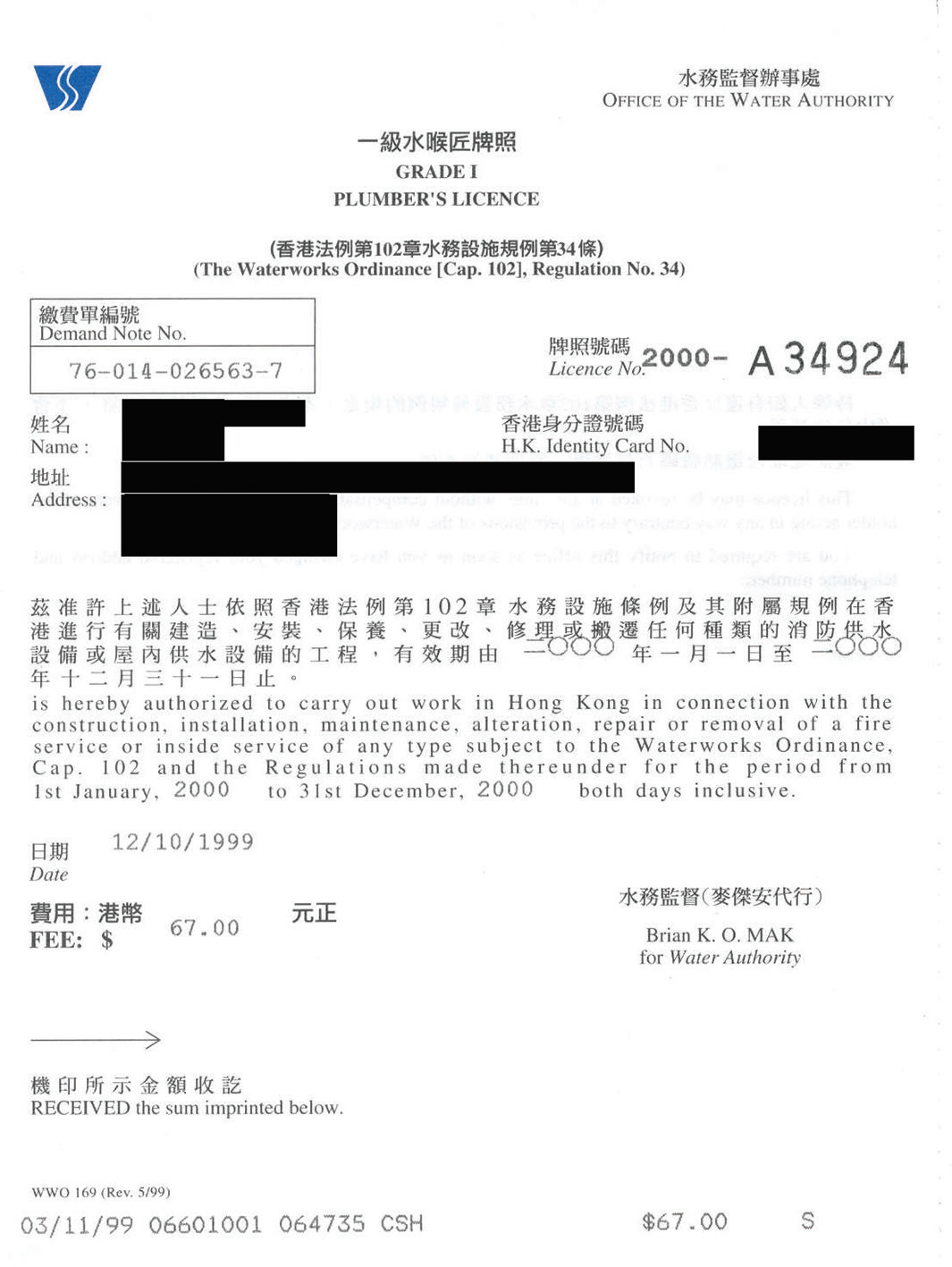
At the same time, local technical institutes began to offer a range of widely recognised plumbing craft courses and relevant academic qualifications were generally valued by employers. The WSD reviewed the inclusion of accredited academic qualifications and held discussions with relevant trade unions about the transitional arrangements. In 1992, a Craft Certificate in Plumbing and Pipefitting and a Certificate in Plumbing Services (Hong Kong) issued by the Vocational Training Council were confirmed as prerequisites to apply for a plumber’s licence. This system has been in place ever since and marks the transition towards academic and standardised professional qualifications for licensed plumbers, with stringent technical requirements. "Licensed plumbers are required to be equipped with knowledge of all aspects of waterworks; perhaps they should be called waterworks engineers," said POON Wai-yee, Former President of the Hong Kong Licensed Plumbing Professionals Association.
Licensed plumbers have been serving the Hong Kong community for more than 80 years.
"Water is very important as Hong Kong people are accustomed to have washing water and clean portable water after their back to home. Since inferior work can lead to serious consequences, licensed plumbers and the WSD have been working closely together to ensure the city has a safe and reliable water supply." POON continued.
The WSD monitors the performance of licensed plumbers through licensing and by reviewing the licensing system. The WSD's Technical Support Division maintains close liaison with the plumbing trade. “We issue circular letters from time to time to inform licensed plumbers of any updated technical guidelines, waterworks standards requirements, details on application for water supply and approved pipe fittings. These communications assist plumbers in constructing water supply systems in accordance with the latest guidelines and ensuring water safety and an enhanced water supply service.”
In 2016, the WSD launched the “Voluntary Continuing Professional Development Scheme for Licensed Plumbers” to encourage licensed plumbers to pursue further studies to acquire new technological skills, knowledge and techniques, and to continuously improve the quality of their work.