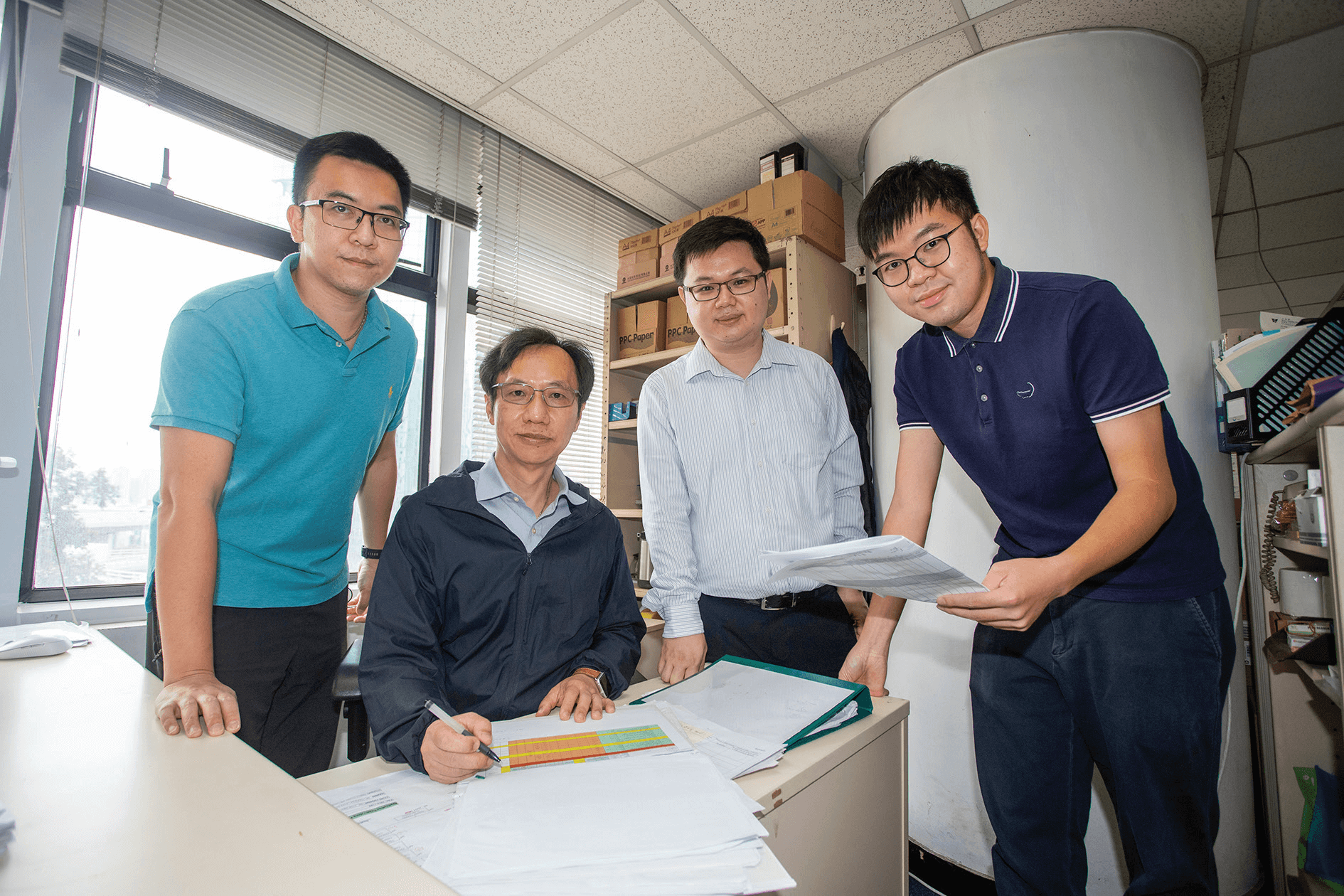



The WSD has always complied with WHO water safety guidelines and its subsequent Hong Kong Drinking Water Standards (HKDWS). It also conducts reviews of the water quality through sampling at each stage of the supply system to ensure that water safety standards are met. Since 2017, water sampling tests of the city’s public water supply system (i.e. water treatment works, service reservoirs, water connections and publicly accessible taps) have been extended to also test the samples collected at the water taps of private properties through the Enhanced Water Quality Monitoring Programme. Samples of fresh water coming from domestic taps are randomly collected throughout Hong Kong on a regular basis to gauge the city’s level of water quality. In 2021, the WSD discovered the first exceedance case of lead content in fresh water at a private non-domestic building during a random inspection. A further inspection revealed that the building’s water tanks had not been cleaned for a long time. The WSD assisted the owner to quickly make improvements to avoid the public being affected. Senior Engineer Ir TSE Ming-por, who was involved in the work following the incident said, “There was no precedent for this safety breach and striking a balance between public health safety and the privacy of the property owner was a challenge.”
As of October 2021, the WSD has conducted around 2,000 random fresh water sampling tests. One water sample from a private non-domestic premise in Wan Chai was found to contain lead levels exceeding the HKDWS. It was the first exceedance case since the introduction of the updated arrangements under the Scheme. The WSD and the media were greatly concerned about this case.
TSE recalled that the WSD had considered whether the concerned building’s location should be disclosed or not. "It wasn’t a residential building and most occupants were drinking bottled water. Also, the Enhanced Water Quality Monitoring Programme was a voluntary scheme and not a mandatory initiative. The WSD had to respect the privacy of the participating owners and did not wish to discourage potential participants from joining the programme and undermine its future effectiveness. We decided that the location of the building would not be disclosed, despite media pressure. However, if there had been evidence that a building’s water quality posed a direct risk to public health, the WSD would disclose a premise’s test results and its address, with or without the consent of the property owners.”
Immediately upon learning of the test results, the WSD contacted those responsible for the building’s maintenance and requested them to inform all users of the building to take appropriate preventive and mitigation measures, including the use of alternative drinking water sources (e.g. distilled water) and post prominent notices. The responsible person of the building then engaged a Qualified Person to conduct inspections and rectify the problem. The investigation found that the building’s water tanks had not been cleaned for a long time and contained broken metal parts, which caused exceedance to the lead content of the water samples.
TSE said that the case showed the importance of proper management and maintenance of the inside service and the WSD’s monitoring system could also help to improve water quality. He urged the owners and property managers to implement the Water Safety Plans for Buildings and stressed that regular cleaning of water tanks was the key to safeguarding a building’s water safety.