


Treated water from the water treatment works is safe for consumption, but there is still a risk of contamination after distribution to buildings’ inside service. In 2017, the WSD developed a set of guidelines, the "Water Safety Plan for Buildings" (WSPB), with reference to the WHO’s recommendations, that provide advice to owners with a set of guidelines on water quality management in buildings. It comprises a three-step approach of "Risk Assessment → Regular Inspection → Regular Review" for public reference. In addition, the WSD has also launched the "Quality Water Supply Scheme for Buildings - Fresh Water (Management System)" to award certificates to buildings that have implemented the WSPB, and to recognise the efforts of owners and property managers in maintaining water safety.
For the convenience of consumers, the WSD has also established a Voluntary General Acceptance (GA) Product Shop Scheme. This allows the public to identify retailers with a significant number of GA products on sale through a labelling mechanism.
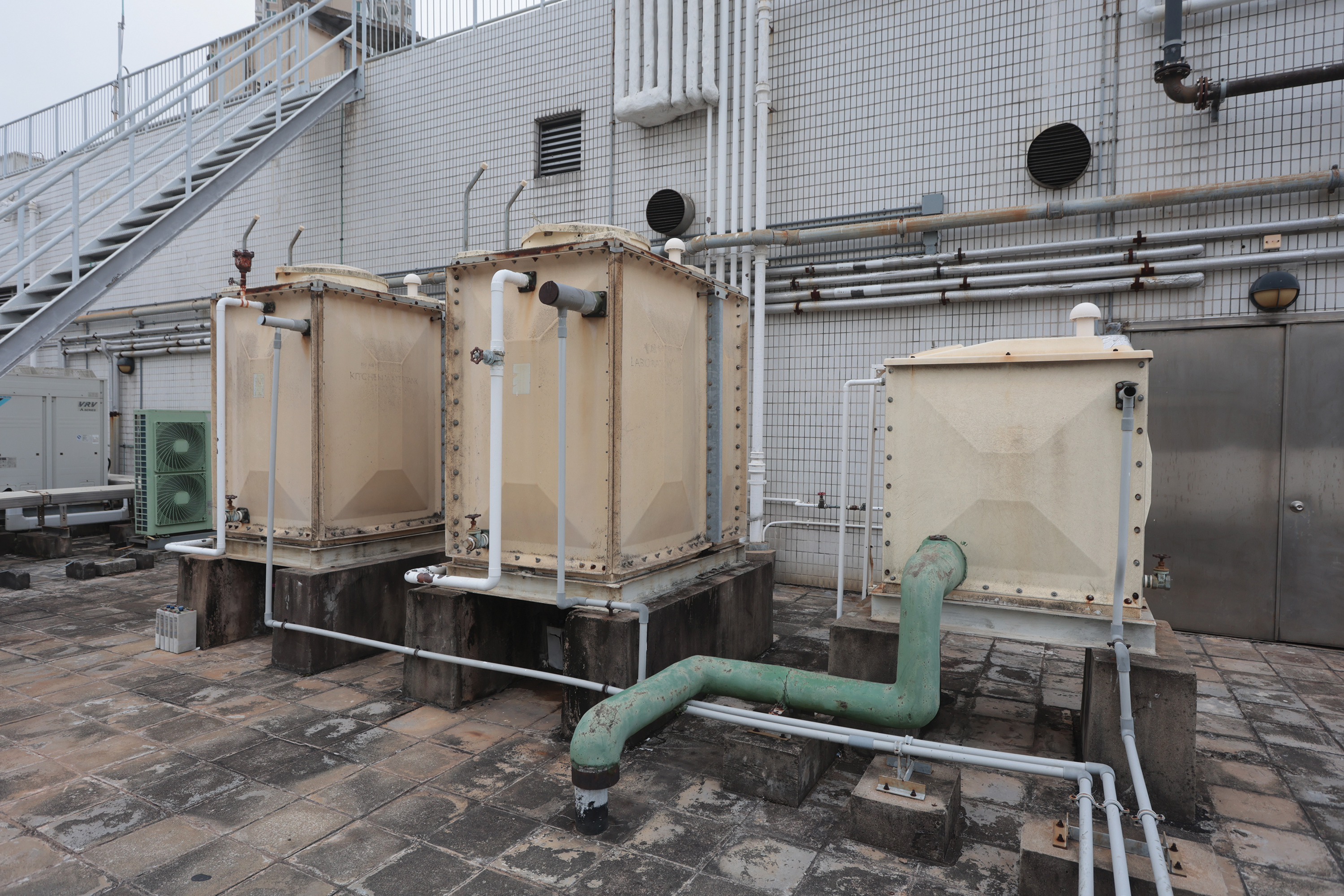
The “lead in drinking water incident” in 2015 revealed that there was a problem with the use of leaded solder in the welding of pipe joints. As a result of the review, in addition to proposing amendments to the Waterworks Ordinance to strengthen regulation (see the article "Legislative Amendments and a New Water Supply Era" in this chapter for more details), the WSD has also promoted the WSPB to owners and property management agents to prevent chemical or microbiological contamination of drinking water during the transport and storage within the inside service.
According to the "Guidelines for Drinking Water Safety Plans for Buildings in Hong Kong", the owner or property agent is required to appoint a designated person who is familiar with the operation of the building, and with the assistance of suitable support staff, to jointly develop and implement the plan to facilitate the assessment and improvement of a building’s inside service.
- Understand and outline the internal plumbing system of the building
- Assess and identify risk areas for contamination of the internal plumbing system
- Develop and implement control measures to prevent and reduce the occurrence of any associated risks
- Perform periodic checking on the prescribed control measures to ensure that the WSPB is effectively implemented
- Thereafter, conduct internal audits and reviews at least once every two years to review the implementation of the WSPB and recommend further improvement measures, if necessary.
The full text of the "Guidelines for Drinking Water Safety Plans for Buildings in Hong Kong"
Following the development of the WSPB, the WSD further revised the "Quality Water Supply Scheme for Buildings" and launched the "Quality Water Supply Scheme for Buildings - Fresh Water (Management System)" (QMS) in 2017. This scheme encourages owners and property management agents to implement WSPB and gives recognition on properly managing the water quality in their buildings.
Buildings applying for the scheme are required to meet the following criteria:
- Formulate and implement the WSPB in accordance with the "Guidelines for Drinking Water Safety Plans for Buildings in Hong Kong" and the Drinking Water Safety Plan for Building Template for general buildings and specific buildings.
- Engage a Qualified Person (QP) who has completed the training on WSPB and has passed the assessment to carry out the water safety risk assessments and conduct some of the specific inspections under the WSPB.
The WSD will select 5% of the approved applications for audit by checking their completion of the implementation of the WSPB and the proper documentation.
Quality Water Supply Scheme for Buildings - Fresh Water (Management System)
The applicant must submit the following documents for application for residential or office buildings, which include:
| New Application | WSPB, that includes:
|
|---|---|
| Renewal of Application* |
|
- *For all schools that use copper pipes connected by solder and serve students at six years of age or below, e.g. primary or some special schools, but excluding kindergartens, the water quality examination should be carried out at least once a year and the corresponding test reports must be submitted, in addition to the above documents, for the renewal application.
A GA plumbing product is one that has passed the statutory tests to ensure water safety and has been approved by the WSD. The "GA Products Shop Scheme" is a voluntary scheme launched by the WSD to facilitate consumers in identifying GA products and to reduce the chance of using non-compliant plumbing products by the public, thus minimising the risk to water safety. Retail shops who apply for registration must have a significant number of GA products on sale. After approval by the WSD, shops will receive GA Product Shop Labels. These labels should be prominently displayed at shops for easy identification by the public. Additionally, GA labels of the plumbing products should be showcased on shelves and staff should be knowledgeable to actively introduce GA products to customers.
The GA product labels are accompanied by a QR code, which allows consumers to retrieve more information about a product, such as its country of origin and GA expiry date.
Voluntary GA Product Shop Scheme