



Nowadays, we may consider a round-the-clock water supply as ordinary. However, water rationing had been common in Hong Kong since the late 19th century and particularly during the post-war economic boom years. In those days, the Waterworks Office (the predecessor of the WSD) would only supply water for a full 24-hour day during the three or four days of festive occasions, such as Chinese New Year, New Year's Eve and New Year's Day1. On 1 June 1982, the last restriction on water supply was lifted, bringing an end to years of intermittent water supply. The major reason for restrictions finally ending was the introduction of water supplied from the Dongjiang.
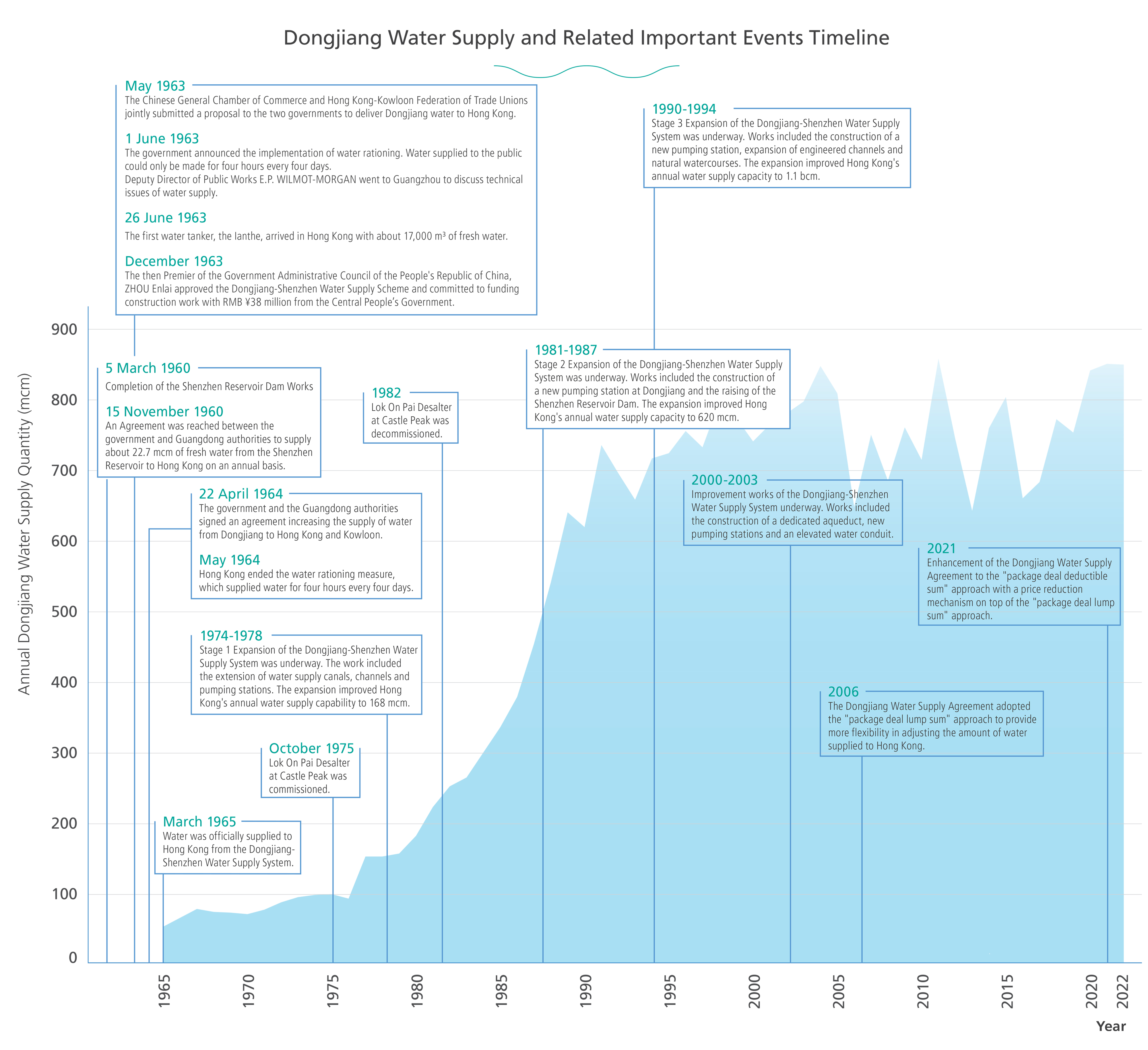
Dongjiang is the nearest natural river to Hong Kong and has an abundant amount of water. It originates from Anyuan, Xunwu and Dingnan Counties in Jiangxi Province and joins at the Hehe Dam in Longchuan County, Guangdong Province, known as Dongjiang as a whole. The Dongjiang River relies heavily on rainfall with a high annual average flow of nearly 30 billion cubic metres (bcm)2. Since 1965, Dongjiang water has been a water source for Hong Kong. In 2022, Hong Kong imported 810 million cubic metres (mcm) of Dongjiang water, accounting for about 80% of the city's fresh water supply.
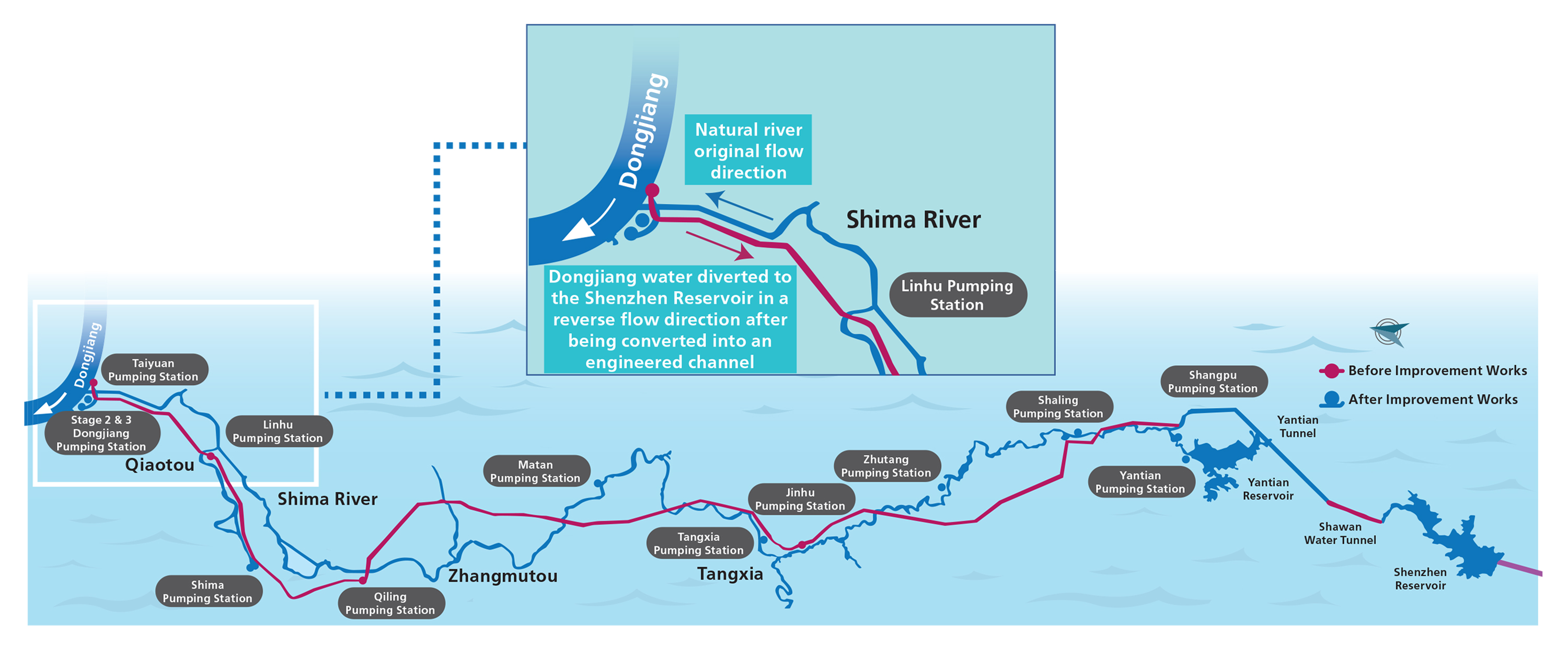
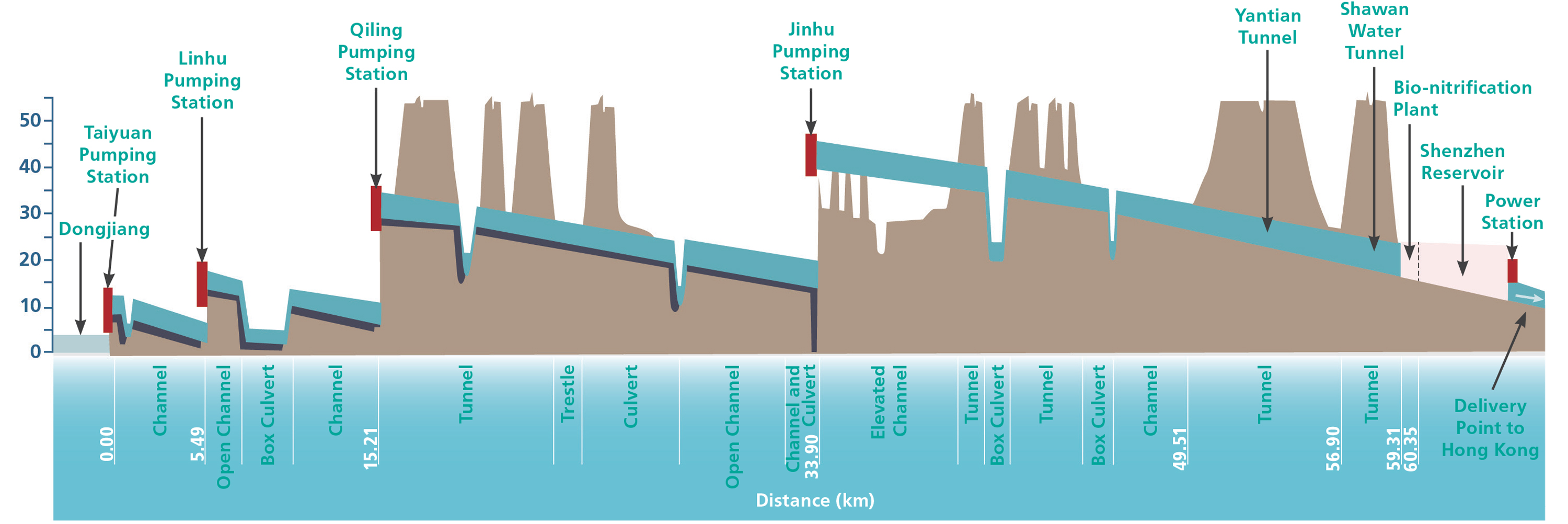
The Dongjiang is the nearest river to Hong Kong with an abundant supply, however diverting its water is a huge project as it is located more than 50 kilometres (km) away from the city. To enable water transportation to Hong Kong, the final proposal for the Dongjiang-Shenzhen Water Supply Scheme was to transform the Shima River into an engineered channel and reverse its original south to north flow at the initial sections of the river. The channel crosses six mountains and is elevated by a multi-stage pumping station, ascending from 2 metres to 46 metres above sea level, prior to its transmission into the Yantian Reservoir. From this point, the Dongjiang water flows into the Shenzhen Reservoir (see diagram below: Dongjiang-Shenzhen Water Supply System - Closed Aqueduct (Longitudinal Section)). Before the completion of the Dongjiang-Shenzhen Water Supply Improvement Works in 2003, Dongjiang water had to travel through an 83 km aqueduct before it could reach Hong Kong.
The supply of Dongjiang water can be traced back to 1963. In that year, the population of Hong Kong had jumped to 3.42 million3. There were 14 completed reservoirs with work on the Lower Shing Mun Reservoir in full swing and the construction of the Plover Cove Reservoir had commenced. The year’s rainy season had been sparse, with an annual rainfall of only 901.1 millimetres (mm)4, well below the annual average of 2,235 mm5.
Hong Kong’s public hygiene issues had increasingly gotten worse due to the city’s dense population and the prolonged water supply restrictions in hot weather. In fact, Hong Kong was declared a cholera epidemic zone several times between 1961 and 1963, with the 1963 epidemic lasting 177 days and occurring earlier than the previous two years with the number of patients increasing significantly to 1146.
In addition to the epidemic, water shortage also had a serious impact on people's daily lives and on all sectors of the economy. As a result of the drought, many farms in the New Territories lost their harvest, fishing ponds dried up, swine and chicken fever were rampant, causing heavy losses to the agriculture and fishery industries. Factories were forced to shut down, reduce production or postpone deliveries. Retailers, restaurants as well as service industries had to shorten their business hours. Business turnover also declined significantly due to a decline in consumer sentiment. At that time, some members of the industrial and commercial sectors estimated that economic losses caused by water rationing was over $100 million7.
In 1959, when the construction of the Shenzhen Reservoir was being planned on the mainland, the supply of fresh water to Hong Kong was already being considered. At the completion ceremony on 5 March 1960, TAO Zhu, the First Secretary of CPC Guangdong Provincial Committee expressed his concern about Hong Kong’s water shortages and his willingness if necessary to supply water from the Shenzhen Reservoir to Hong Kong.8 Local community leaders invited to attend the completion ceremony relayed Guangdong's willingness to contribute in alleviating the situation to the government.
After extensive negotiations, the government and Guangdong reached an agreement on 15 November 1960 to import about 22.7 mcm of fresh water annually from the Shenzhen Reservoir. The fresh water was delivered to the Tai Lam Chung Catchwater by laying water mains to connect to Hong Kong’s water mains that located along the Chinese boundary.
In 1963, at the height of the drought, the Chinese General Chamber of Commerce and the Hong Kong-Kowloon Federation of Trade Unions (predecessor of Hong Kong Federation of Trade Unions) jointly proposed to the governments of both sides that Dongjiang water be brought to Hong Kong. The Guangdong authorities responded positively to this proposal.
To alleviate the immediate water shortage, the mainland granted permission to Hong Kong to deploy tankers to extract fresh water from the Pearl River. Following the discussions between the two governments, a consensus was reached in the same year to build a Dongjiang-Shenzhen Water Supply Scheme which connected to the Shenzhen Reservoir. The Prime Minister, ZHOU Enlai approved the scheme and committed to fund the construction work with RMB ¥38 million from the Central People’s Government.
The works commenced on 20 February 1964 and were completed in one year. In March 1965, the Dongjiang-Shenzhen Water Supply System began supplying water to Hong Kong, and has subsequently undergone three stages of expansion and comprehensive improvement works. In 1985, 319 mcm of Dongjiang water was imported to Hong Kong, exceeding half of local consumption for the first time.
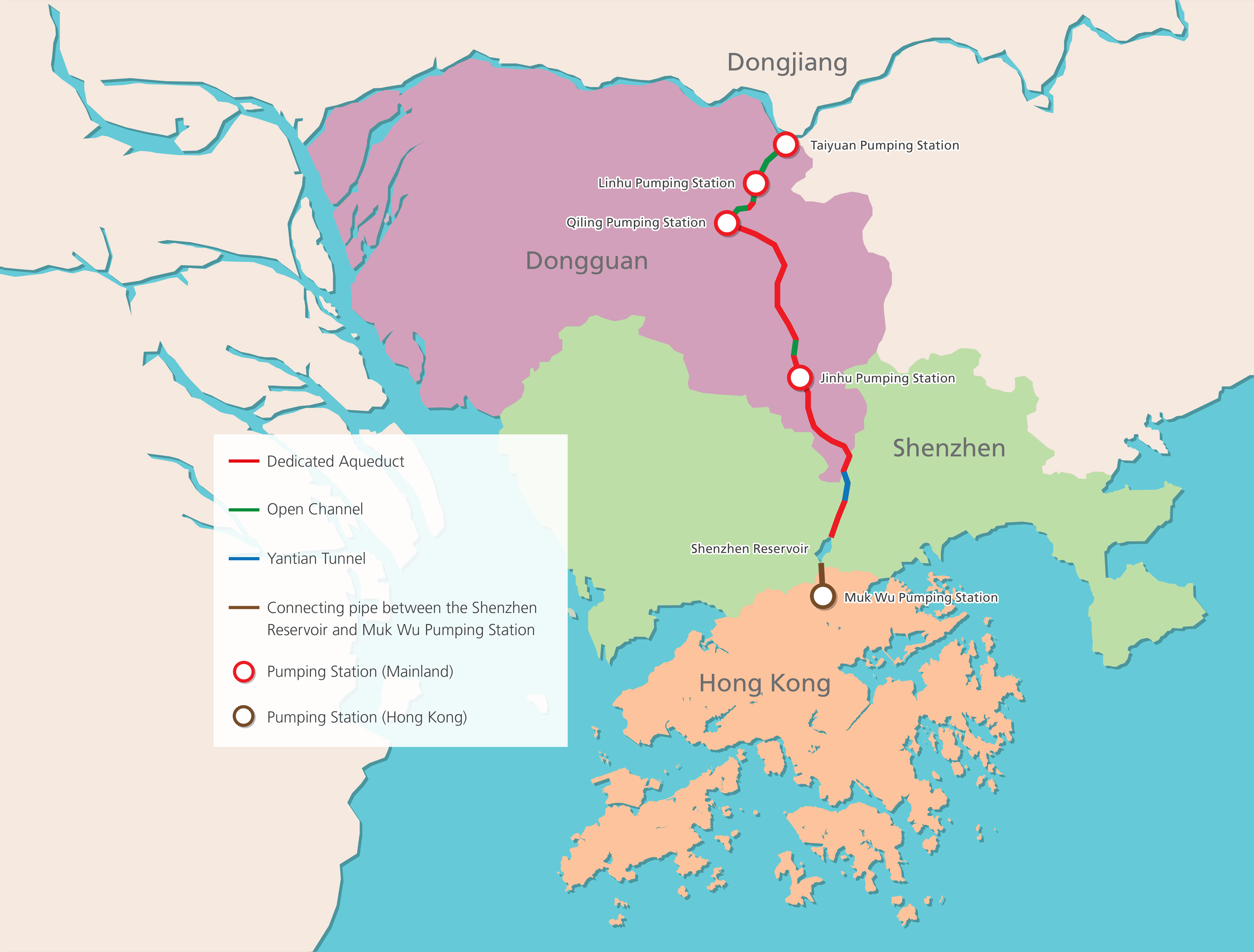
With rapid economic development and population growth along the route of the Dongjiang-Shenzhen Water Supply Scheme, including Dongguan and Shenzhen, a large amount of untreated sewage was being released into the Dongjiang-Shenzhen Water Supply System’s watercourses. Beginning in the 1990s, the Guangdong authorities have carried out a number of water quality improvement projects to improve the quality of Dongjiang water, details below:
The original intake point for Dongjiang water was situated downstream where the Shima and Dongjiang rivers converge. In 1998, the intake point of Dongjiang water was relocated upstream to a location with better water quality. The Taiyuan Pumping Station was built to intake Dongjiang water for transfer to Hong Kong.
The original Dongjiang-Shenzhen Water Supply System consisted of the Shima River and engineered water transfer channels. To reduce the chance of pollution entering Dongjiang water during its transfer to Hong Kong, the government of Guangdong Province started to construct a dedicated aqueduct in August 2000 to directly transfer Dongjiang water from the intake point at Taiyuan Pumping Station to the Shenzhen Reservoir. The entire aqueduct system spans about 59 km, including about 22 km of water transfer tunnel and about 37 km using a dedicated aqueduct. It formed an independent water transfer system, comprising pumping stations, elevated water conduits, tunnels, reservoirs and dedicated aqueducts. This infrastructure is entirely designed and constructed by the Guangdong authorities. A dedicated aqueduct was commissioned on 28 June 2003.
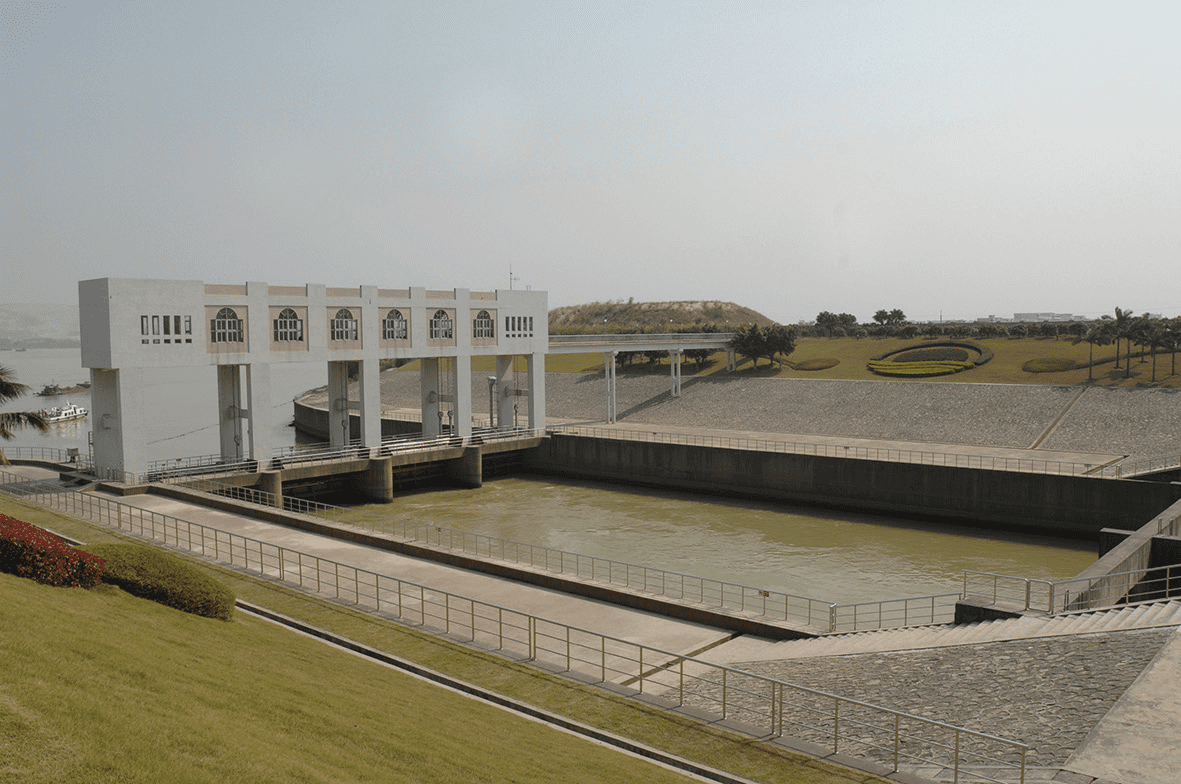
Since the construction of the dedicated Dongjiang-Shenzhen aqueduct, the water supply system has been separated from the Shima River and the natural flow of the Shima River has been restored. However, the area around the river basin has increasingly become degraded due to the discharge of industrial effluent. To further safeguard the water quality of the Dongjiang river, Dongguan City implemented the Shima River Sewage Diversion Works in 2004. It included the construction of a rubber dam to intercept any effluent from the Shima River so it flows into an eastbound canal and avoids contaminating the Dongjiang water sources.
In 2017, the first phase of the Dongjiang Water Resource Protection Works at the Shima River Mouth was launched. The main construction works included a new controlling gate to replace the rubber dam at the entrance of the Shima River.
The Shenzhen Reservoir is the regulating reservoir in the entire Dongjiang-Shenzhen Water Supply System which adjusts the water supplies to both Shenzhen and Hong Kong. Since 1995, the Shenzhen environmental protection authorities have intercepted sewage from the reservoir catchment area by initiating the Shenzhen Reservoir Catchment Area Sewage Interception Works.
The bio-nitrification plant located at the intake of the Shenzhen Reservoir was commissioned in 1999. It receives Dongjiang water from a dedicated aqueduct, removes ammonia and conducts further treatment before being stored in the Shenzhen Reservoir. It uses biological contact oxidation technology to degrade the pollutants in the water and achieves a 75% removal rate of ammonia after treatment.
Located at the north of Shenzhen Reservoir, the Shawan River was initially one of the catchment rivers of the Shenzhen Reservoir before it was polluted by municipal wastewater. In 2003, the Shenzhen authorities completed the Shawan River Sewage Interception Works by constructing the Shawan River Gate Dam at the tail of the Shenzhen Reservoir. Sewage flowing into the Shawan River passes through an underground tunnel to the Luofang Wastewater Treatment Plant in Liantang for centralised treatment. This avoids contamination of the raw water in the reservoir.
The Comprehensive Remediation Project for the Water Environment of the Shawan River Basin commenced in late 2016 and was completed in 2020. This work protects Hong Kong’s water quality by reducing the risk of pollution from the discharge of floodwater from the Shawan River, thereby protecting the water quality of the Shenzhen Reservoir. As the project has progressed, the results of WSD's monitoring between 2019 to 2022 at the Muk Wu Pumping Station which receives Dongjiang water, indicate that the short-term surge in faecal coliform levels in Dongjiang water supplied to Hong Kong, due to the flooding of the Shawan River into the Shenzhen Reservoir has been significantly reduced.
The first station of Dongjiang water reaching Hong Kong is the Muk Wu Raw Water Pumping Station (MWRWPS) located on the south bank of the Shenzhen River at Lo Wu. It is an important facility constructed to support the supply of Dongjiang water. The primary function of the MWRWPS is to facilitate the daily distribution of Dongjiang raw water to the water treatment works at Ngau Tam Mei, Au Tau, Yau Kom Tau, Sheung Shui, Tai Po and Sha Tin.
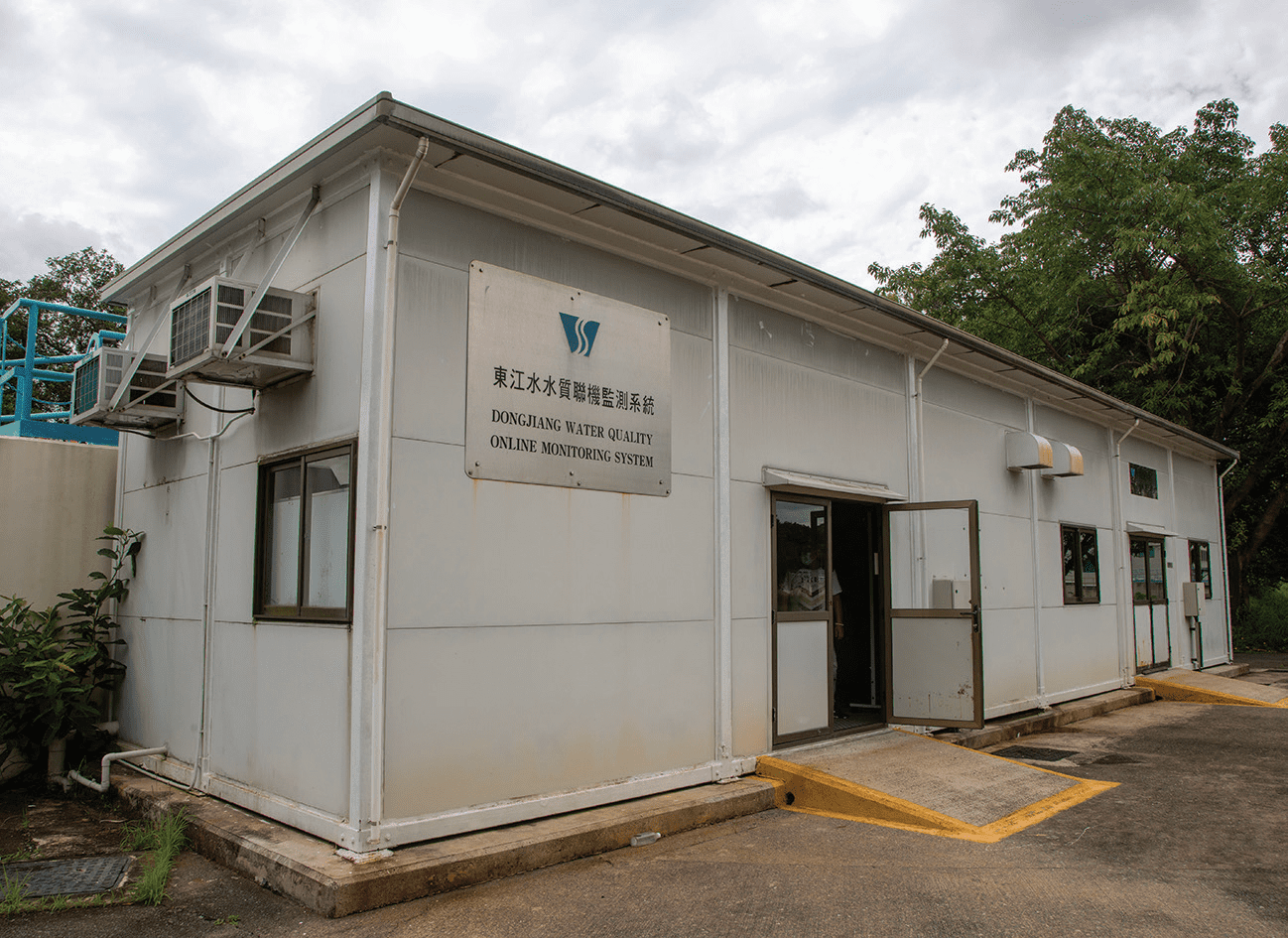
The Muk Wu Raw Water Pumping Station has a 24-hour on-line monitoring system. It operates round the clock to monitor the quality of Dongjiang water supplied to Hong Kong. Samples of Dongjiang water are regularly taken at the MWRWPS for detailed analysis to ensure that the quality of Dongjiang water supplied to Hong Kong complies with the required standards. The WSD will adjust the water treatment processes at water treatment works as necessary to ensure the quality of the treated water fulfills the Hong Kong Drinking Water Standards.
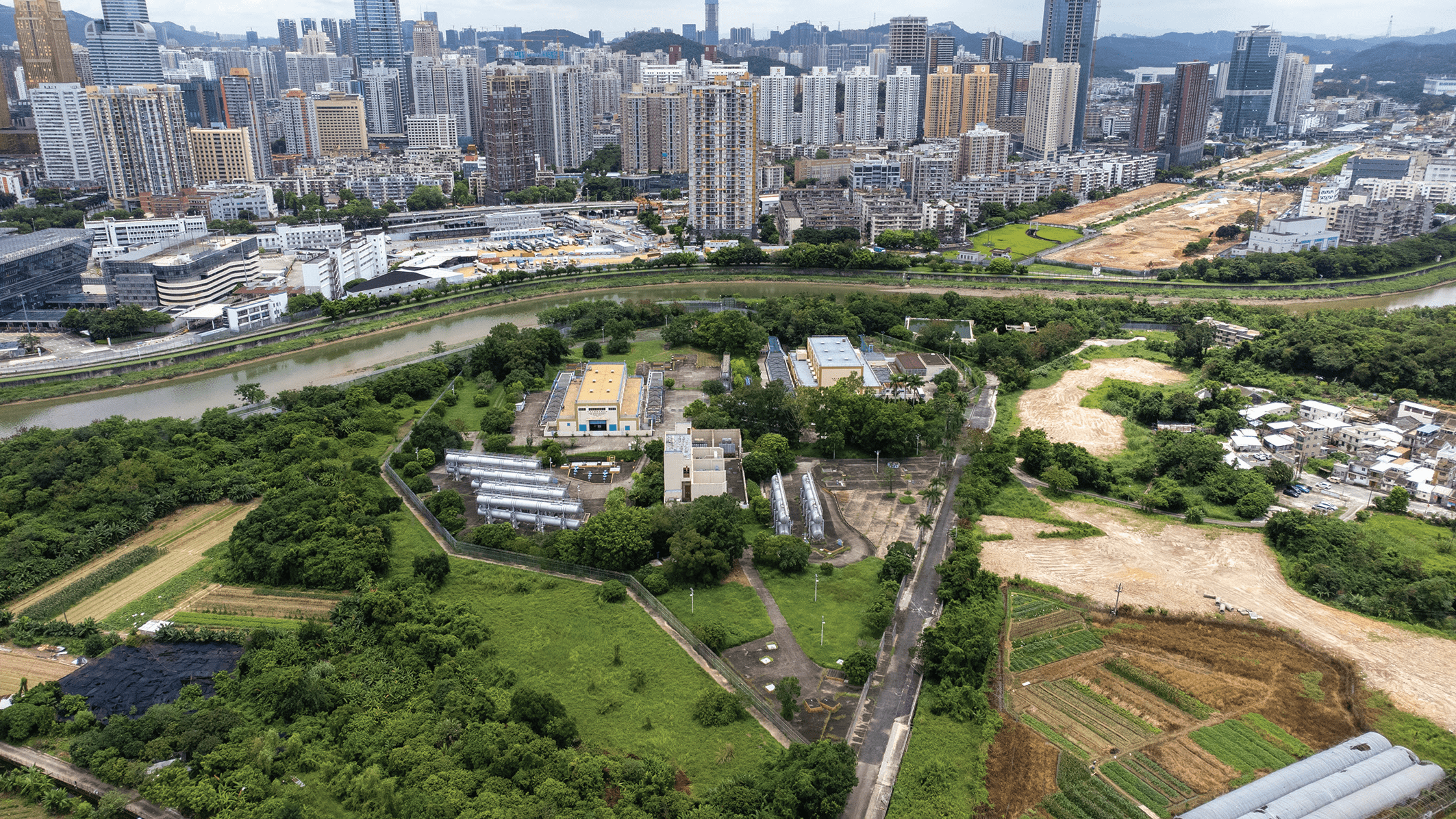
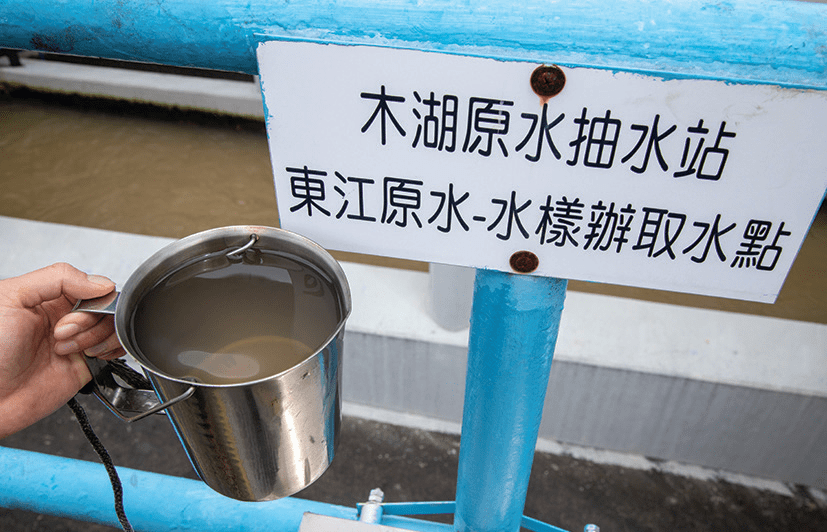
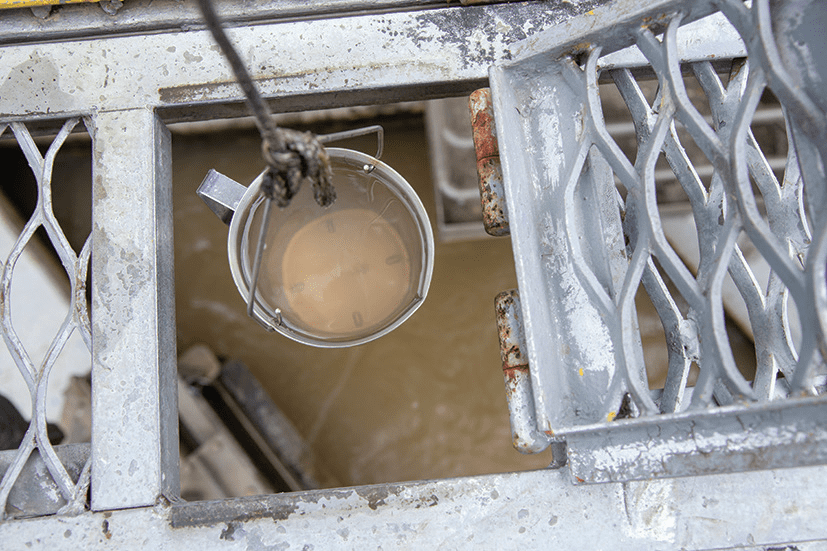
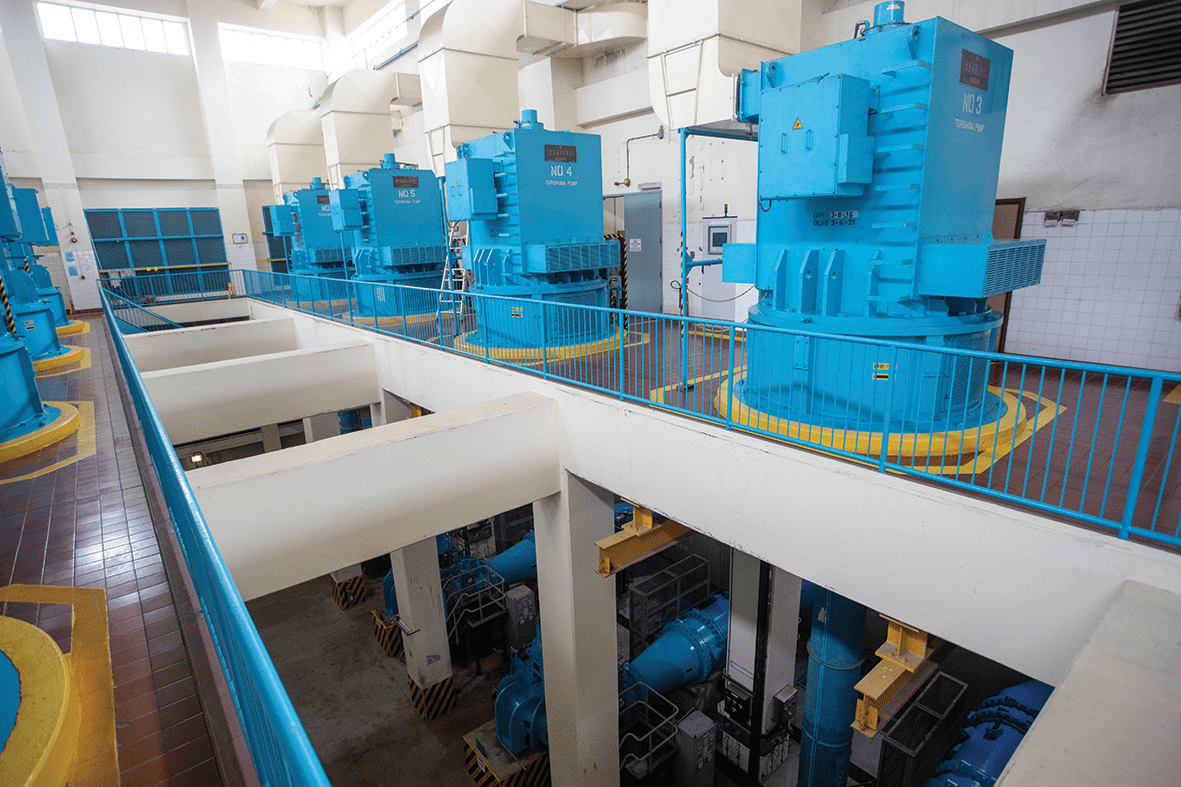
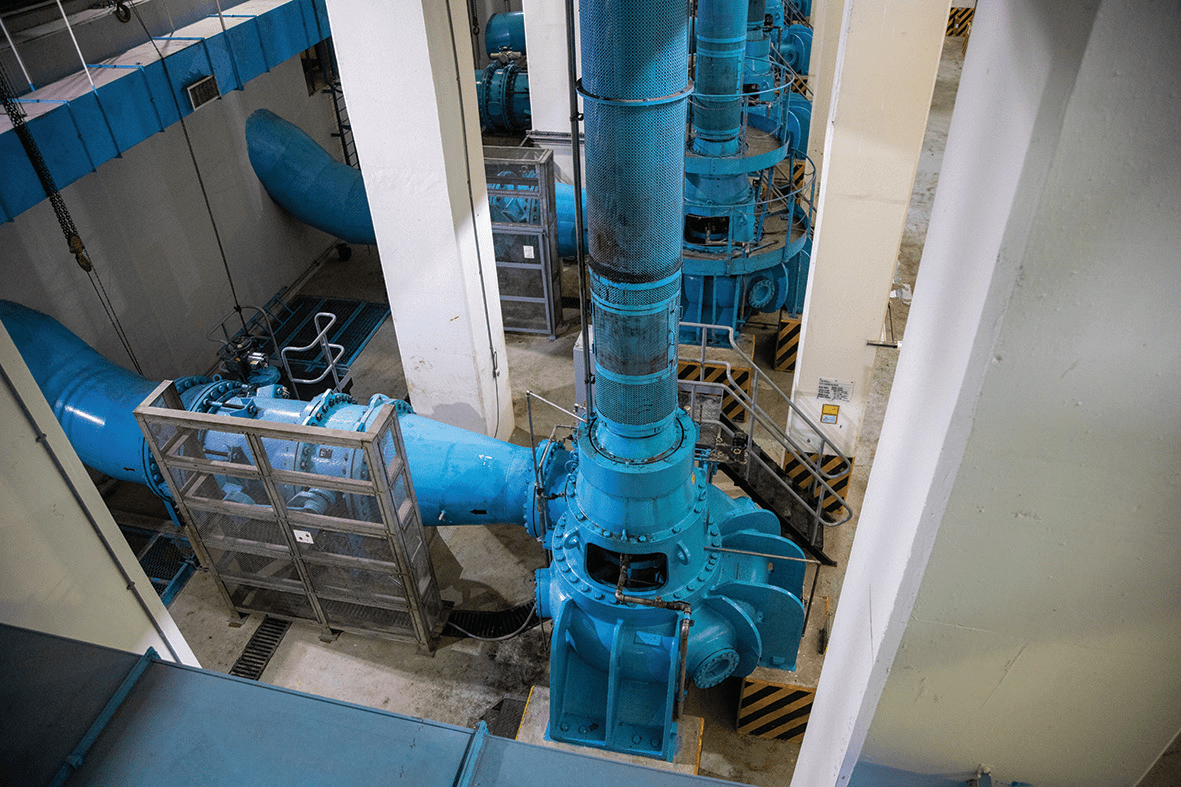
To cope with the increase in the supply of Dongjiang water, the WSD built an additional pumping station at the MWRWPS in 19849. The annual supply quantity of Dongjiang water to Hong Kong at that time was about 290 mcm. By 2021, the annual supply quantity had increased to 810 mcm. Consequently, the MWRWPS was expanded from one to two pumping stations. For instance, Muk Wu Pumping Station No. 3 houses twelve large pumps that are two-storey high. They operate round the clock to pump raw water from the aqueduct to the water mains and to the water treatment works via the three major aqueduct supply systems (Western, Central and Eastern routes) to the water treatment works. The MWRWPS staff confirm daily with the Shenzhen authorities the amount of Dongjiang water supplied and monitor the pumping station 24 hours a day to ensure its smooth operation.
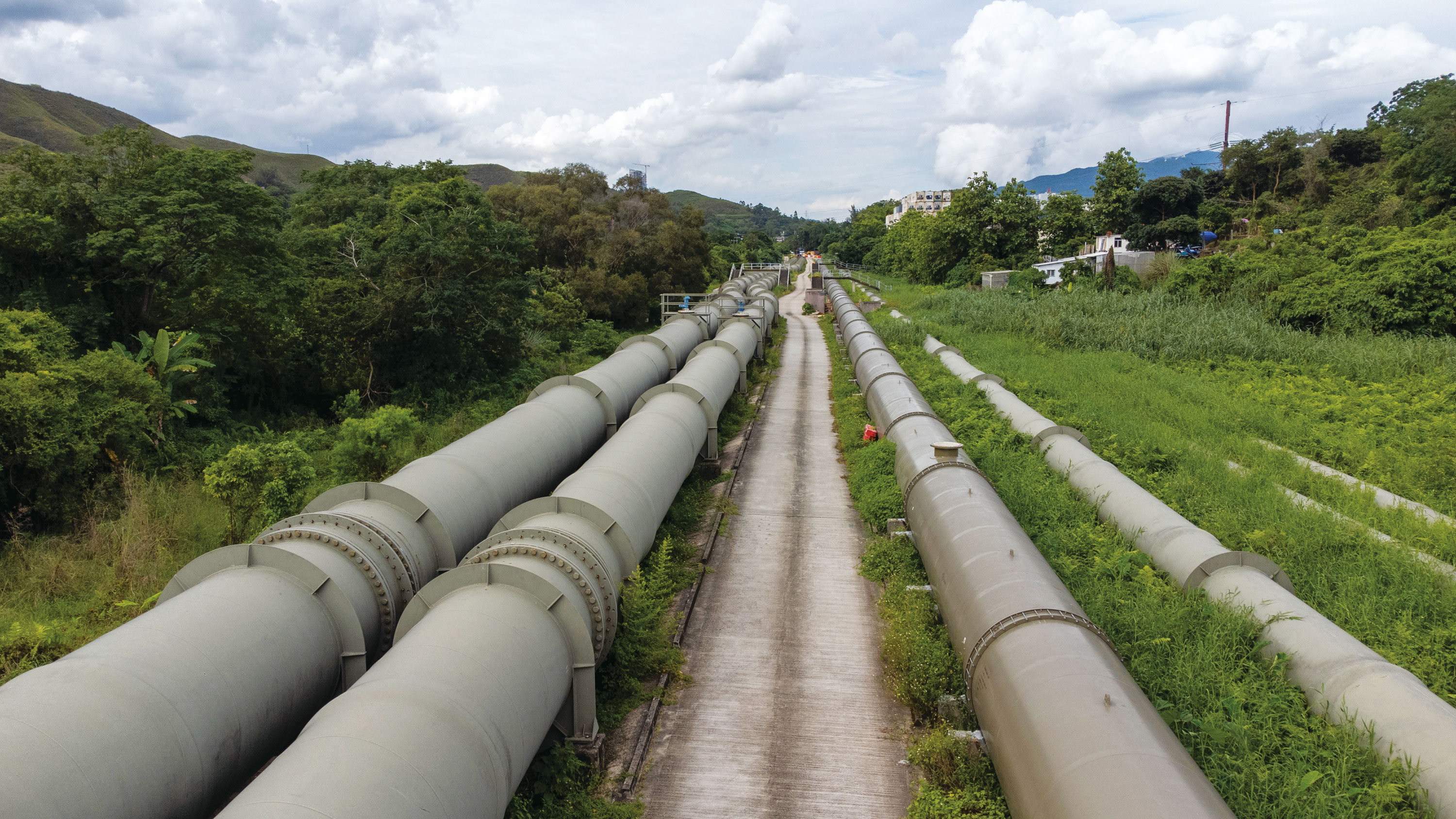
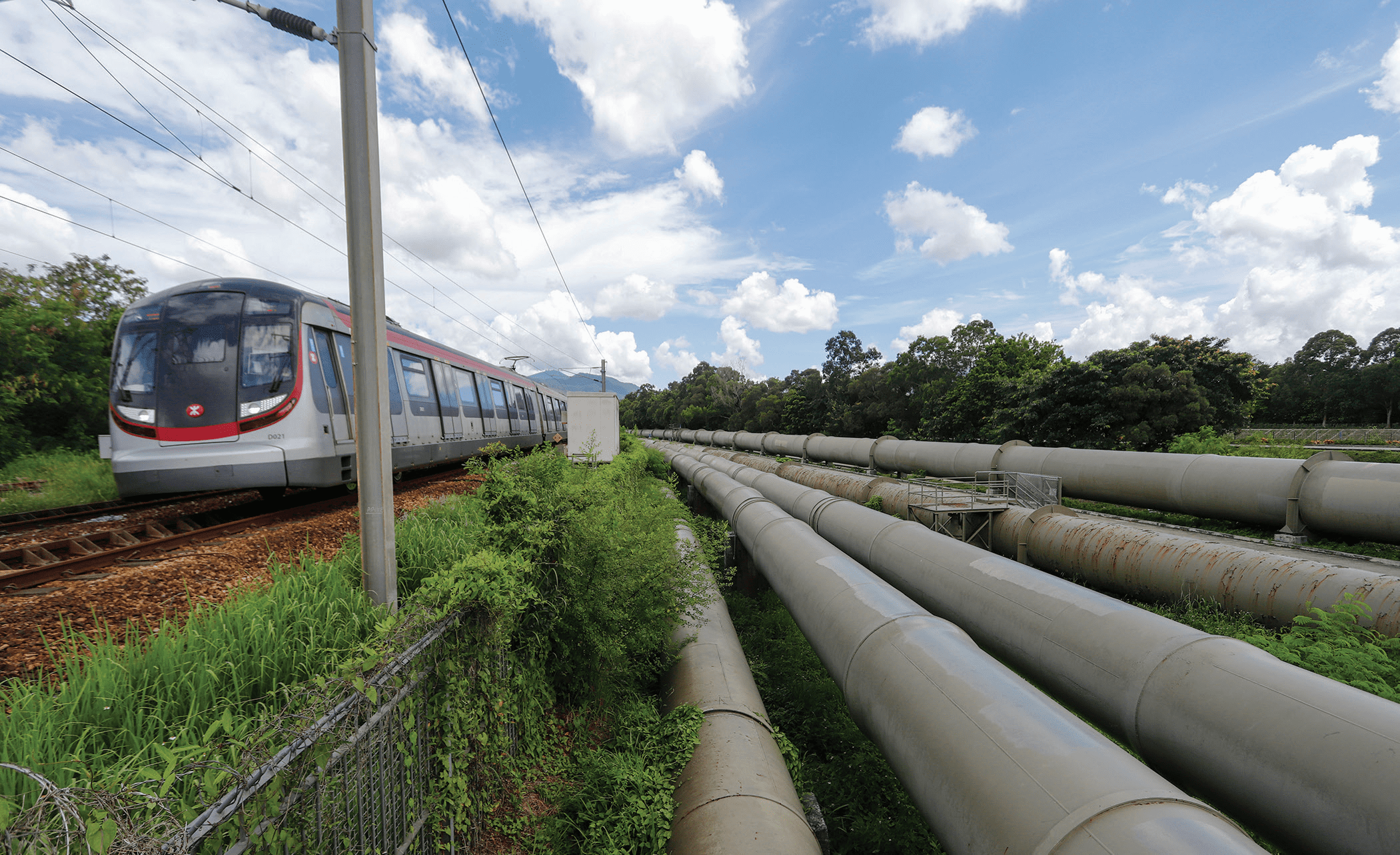
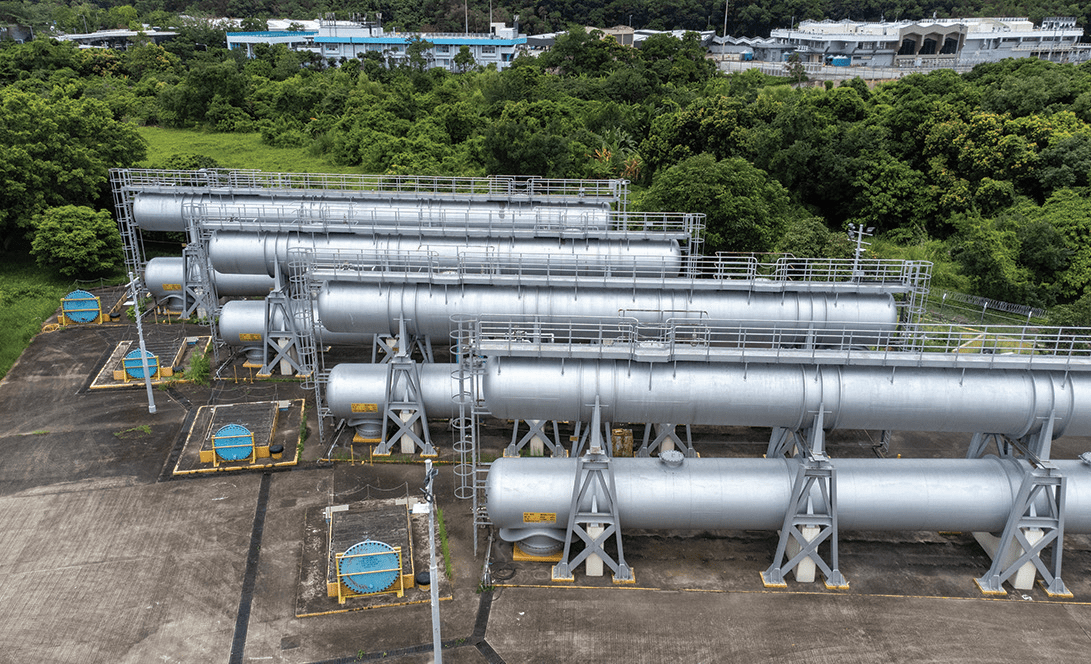
The Dongjiang water mains network in Hong Kong spans approximately 71 km, with the largest pipe measuring 2.4 metres in diameter. Regular maintenance of the Dongjiang water mains is crucial to ensure a stable water supply to Hong Kong. The water supply to Hong Kong from Guangdong Province is suspended in December every year. During this period, the raw water stored at various impounding reservoirs such as Plover Cove Reservoir and High Island Reservoir would be used, while the Tai Po Tau Pumping Station is responsible for pumping and distributing Dongjiang water.
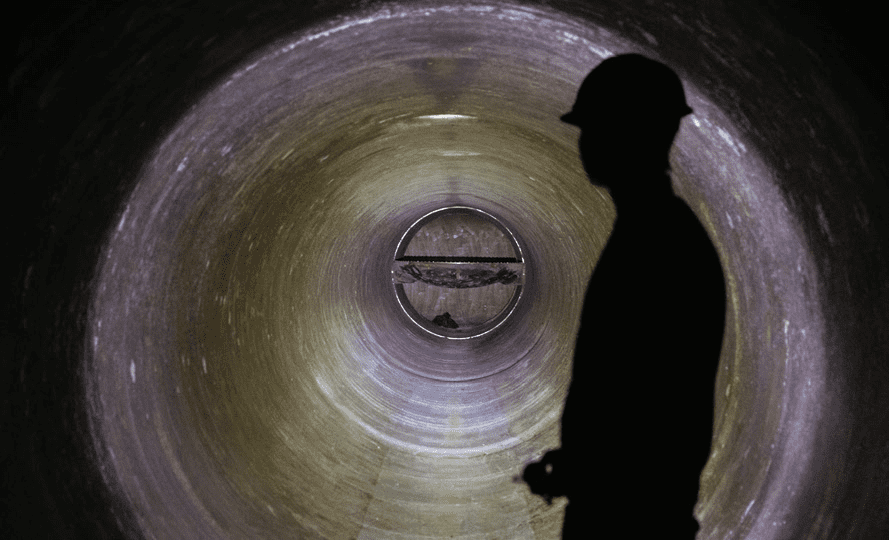
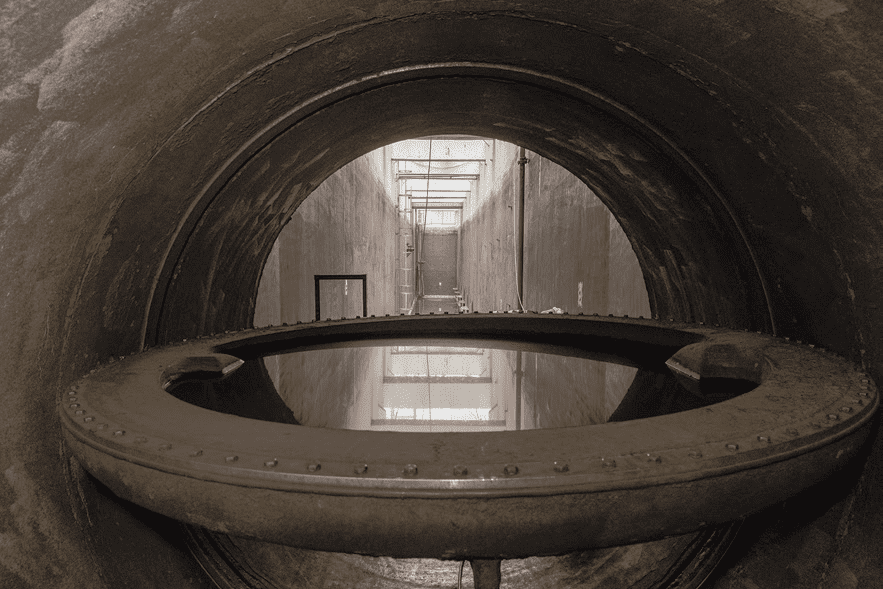
The WSD carries out major repairs and maintenance on the Hong Kong section of the Dongjiang water supply network during the suspension period. This work includes inspecting and maintaining the structures that support the pipelines, removing sediment from the water mains and drainage channels, and repairing the internal lining of the water mains. In order to guarantee the resumption of the Dongjiang water supply in January of the following year, all inspection and maintenance work had to be completed within 20 days. This significantly increased the difficulty of the task.
In 2020, the HKSAR Government signed a new agreement with the Department of Water Resources of Guangdong Province for the supply of Dongjiang water from 2021 to 2023. The new agreement enhances the previous "package deal lump sum" approach to be a "package deal deductible sum" approach. Under the former, a fixed annual payment was made to secure a guaranteed annual supply ceiling of 820 mcm per year. Whereas, under the latter arrangement, a price reduction mechanism will be added to the “package deal lump sum” approach. The reduction amount will be calculated by multiplying a unit rate to the difference between the annual supply ceiling and the actual amount of water supplied. Both sides have agreed that this approach will be adopted until at least up to 2029.
Dongjiang water is a vital water source that has long supported the development of the entire Pearl River Delta region. However, with the region’s economic and social development, the competition for water resources has become increasingly fierce. The overall utilisation rate of Dongjiang has reached 38.3%, which is close to 40%, the international standard of the limit for reasonable exploitation of a river’s water. In the winter of 2021, the Dongjiang River basin was affected by drought and salt tides, which rendered serious impact to water supply.
A salt tide occurs when seawater intrudes into a river, making it impossible to use the fresh water in the river. This is particularly serious during astronomical tides when the seawater level rises significantly. If the weather remained dry and the river flow was inadequate, the seawater will flow up the river from the estuary, making the fresh water salty. This has a severe effect on water supply to water treatment works, water safety, and agricultural and industrial production.
To support the development of the Greater Bay Area, it is imperative to explore new water sources. According to the water conservancy department of Guangdong Province, the average annual net flow of the Xijiang River's main stream is 216.3 bcm, nine times that of Dongjiang, but its overall utilisation rate is only 1.3%. The government of Guangdong Province therefore commenced the Pearl River Delta Water Resources Allocation Project (commonly known as the “West to East Water Diversion Project'') in 2019. The project involves the construction of a 113 km large-scale pipeline to divert water from the Foshan section of the Xijiang River to Guangzhou, Shenzhen and Dongguan. The development will alleviate the situation of only having a single water supply in the eastern part of the Greater Bay Area. It also solves the water supply problem of Guangzhou, Shenzhen and Dongguan, and provides an emergency backup water source for Hong Kong.
- Wu, Ba-ling (ed.) (1962). ‘A Year in the Public Service of Hong Kong', Hong Kong Yearbook. Hong Kong: Overseas Chinese Daily Limited. 109 pp.https://mmis.hkpl.gov.hk//c/portal/cover?c=QF757YsWv5%2BakvA8rFW5Eu08M%2F8DHtP2
- Ho, Pui-yin (2001). Water for a Barren Rock. 150 Years of Water Supply in Hong Kong. Hong Kong: The Commercial Press (Hong Kong) Ltd. 216 pp.
- Census and Statistics Department (1963). 〈Population by Sex and Age Group〉. Retrieved from https://www.censtatd.gov.hk/en/web_table.html?id=1A
- Hong Kong Observatory (1963). 〈Extract of Annual Data〉. Retrieved from https://www.hko.gov.hk/en/cis/yearlyExtract.htm
- Ho, Pui-yin (2001). Water for a Barren Rock. 150 Years of Water Supply in Hong Kong. Hong Kong: The Commercial Press (Hong Kong) Ltd. 182 pp.
- Wu, Ba-ling (ed.) (1964). ‘A Year of Health Care in Hong Kong', Hong Kong Yearbook. Hong Kong: Overseas Chinese Daily Limited. 111 pp. Retrieved from https://mmis.hkpl.gov.hk/coverpage/-/coverpage/view?p_r_p_-1078056564_c=QF757YsWv5%2BakvA8rFW5ErMITwS48ZVI
- 〈Industrial Losses Exceed $100 Million, Manufacturers Urge Water Office〉(6 June 1963), Ta Kung Pao. Retrieved from https://mmis.hkpl.gov.hk//c/portal/cover?c=QF757YsWv59H%2FuxqfBwEJPIEzaE0VMxD
- ‘Tens of thousands of people celebrated the completion of the dam works of the Shenzhen Reservoir at a ceremony held yesterday’ (6 March 1960). Ta Kung Pao. Page 1. Retrieved from https://mmis.hkpl.gov.hk//c/portal/cover?c=QF757YsWv59H%2FuxqfBwEJK%2BVvdiQPhSm
- Muk Wu No. 1 Raw Water Pumping Station was in operation that year. Muk Wu No. 2 Raw Water Pumping Station and Muk Wu No. 3 Raw Water Pumping Station were opened in 1984 and 1995 respectively. Muk Wu No. 1 Raw Water Pumping Station is now decommissioned.