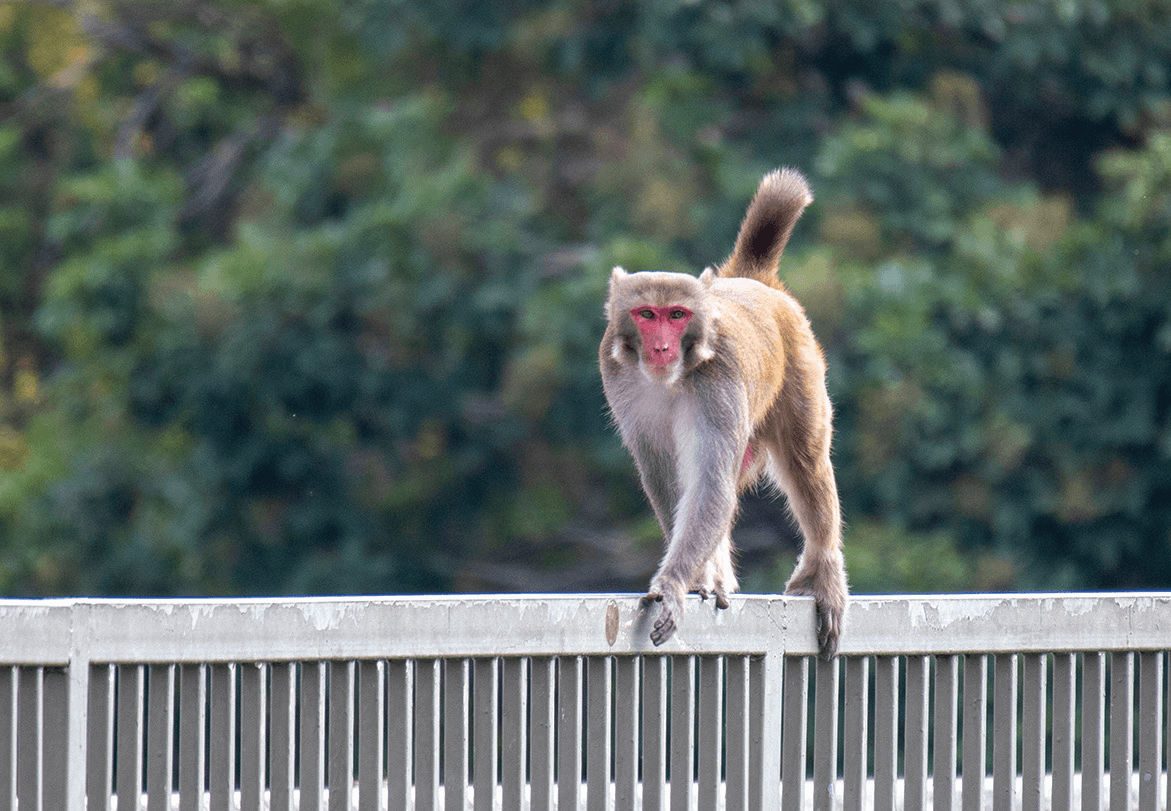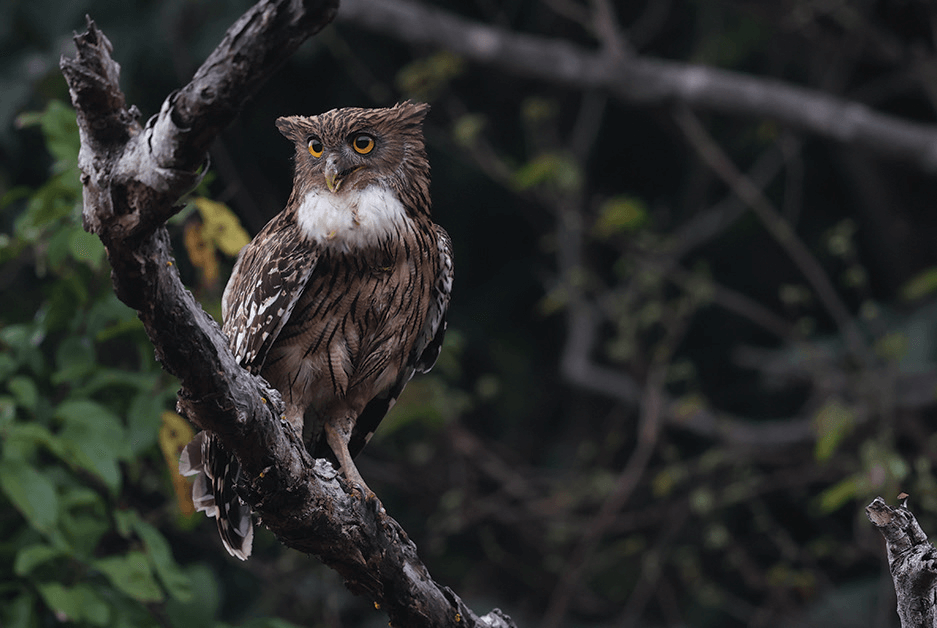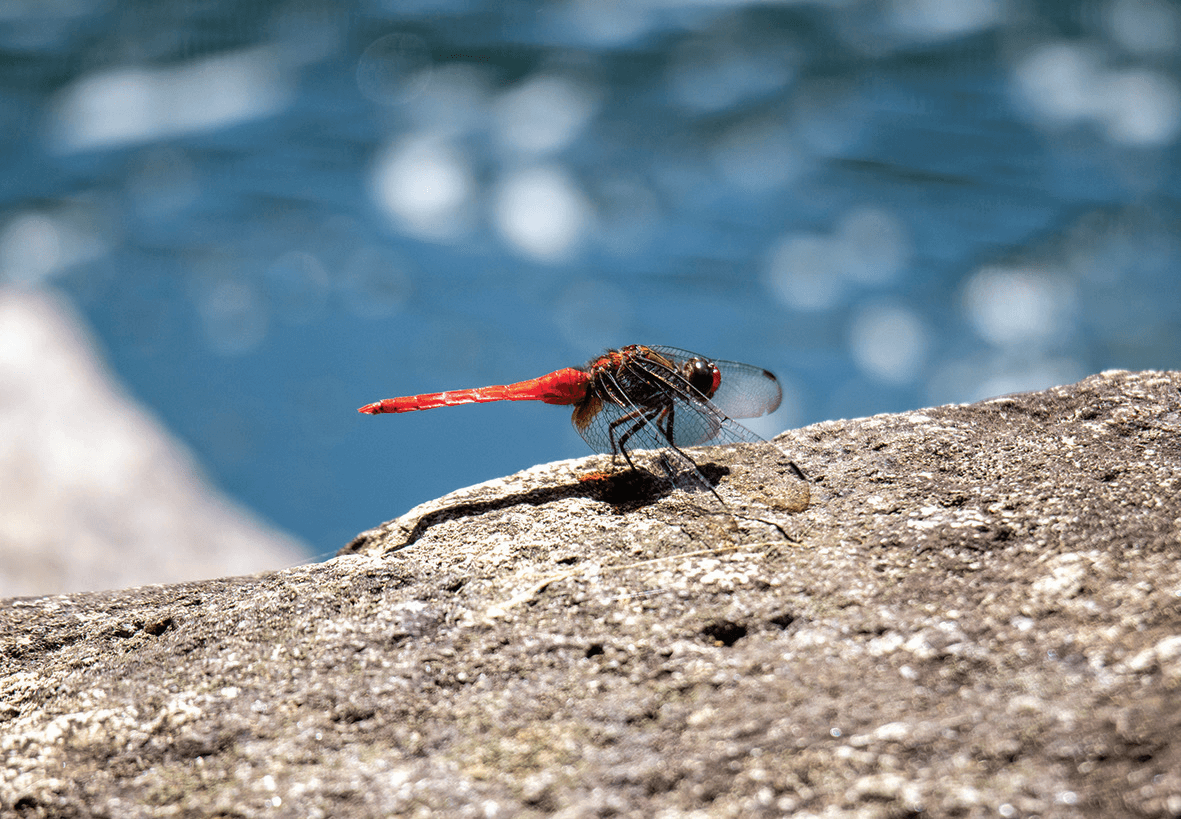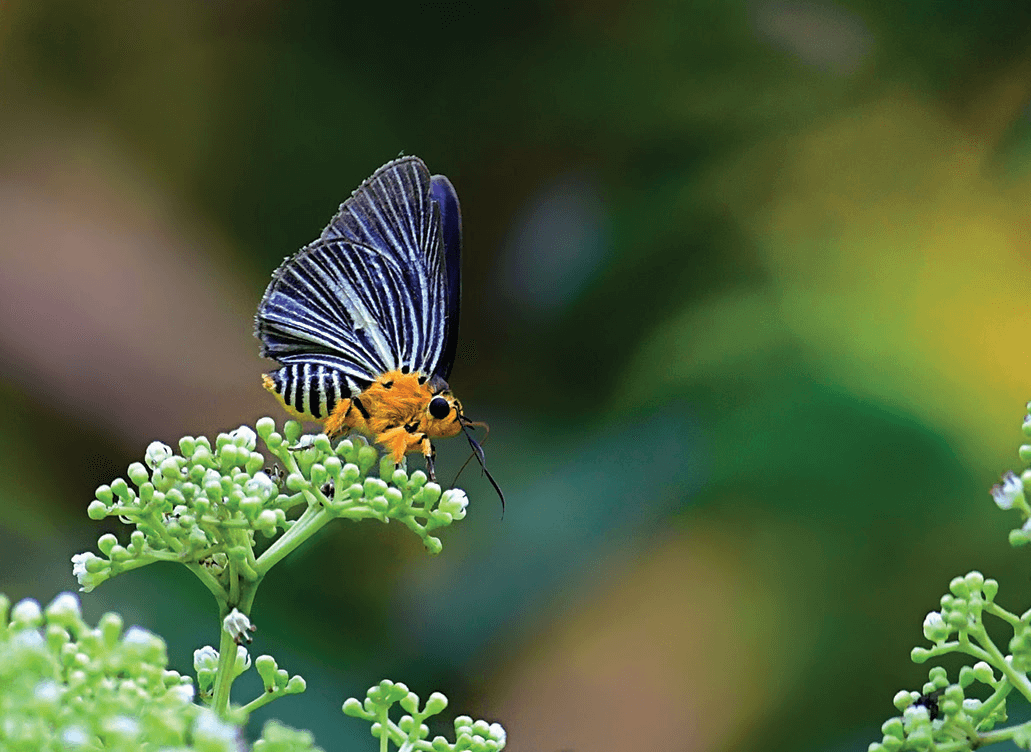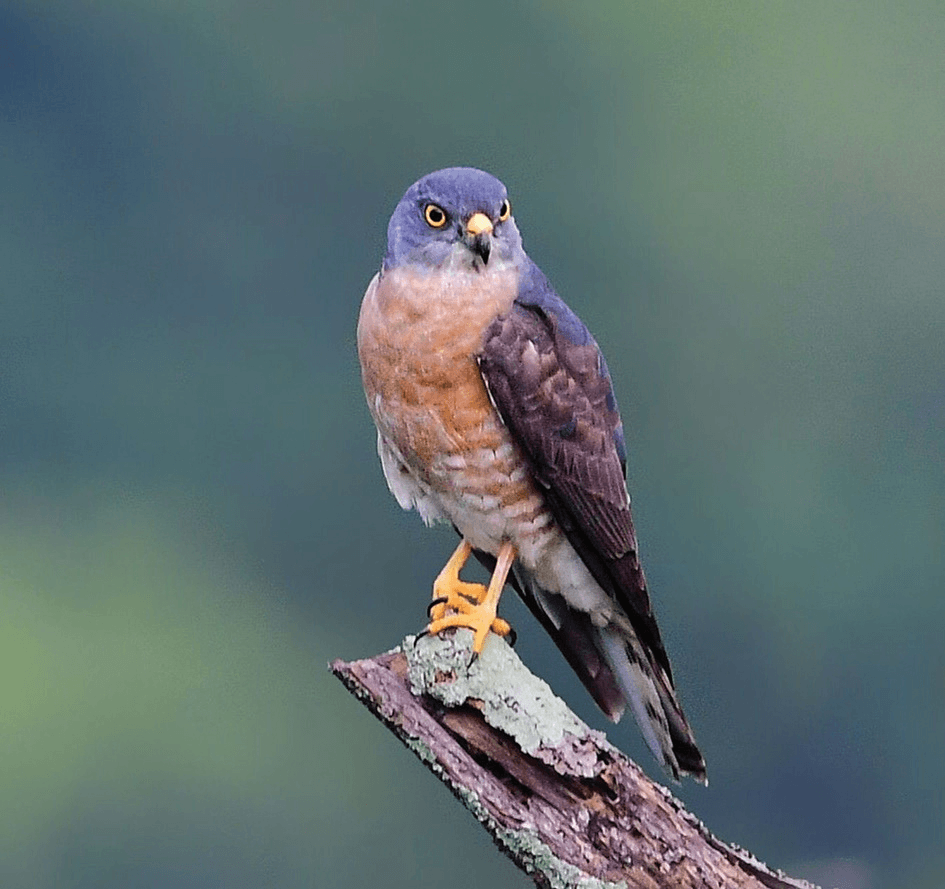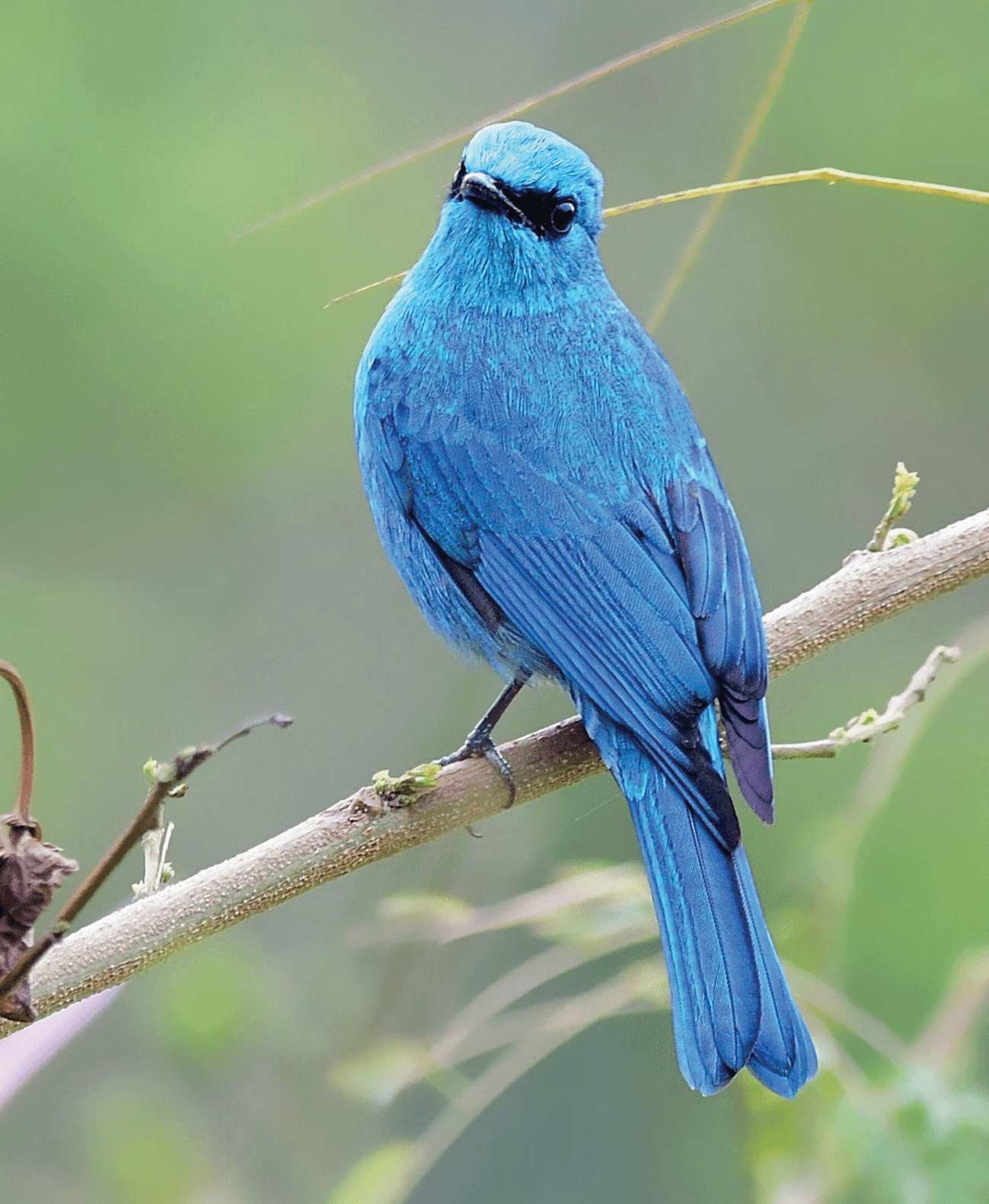



Hong Kong is renowned for its spectacular scenery, often inspired by its various reservoirs and water gathering grounds. These are a combination of natural scenery and man-made structures, which receive continuous regular maintenance and improvements to ensure that Hong Kong - a city also brimming with skyscrapers - maintains a good environment while also acting as a natural purification system for local raw water. These reservoirs represent a significant collection of the city’s cultural assets and have been a historical legacy for more than a century.
The water gathering grounds in Hong Kong cover about 300 square kilometres, i.e. about one-third of Hong Kong’s total area. Most of these areas fall within country parks and are regulated and protected under the Waterworks Ordinance and the Country Parks Ordinance. These two sets of laws ensure that the reservoirs, catchwaters and adjacent surface runoff within the gathering grounds are not allowed to be contaminated, in order to protect the natural environment and the biodiversity in the country parks. To foster a harmonious coexistence between people and nature, most reservoirs and the adjacent countryside are easily accessible from urban areas with famous hiking trails, making them popular destinations for the public.
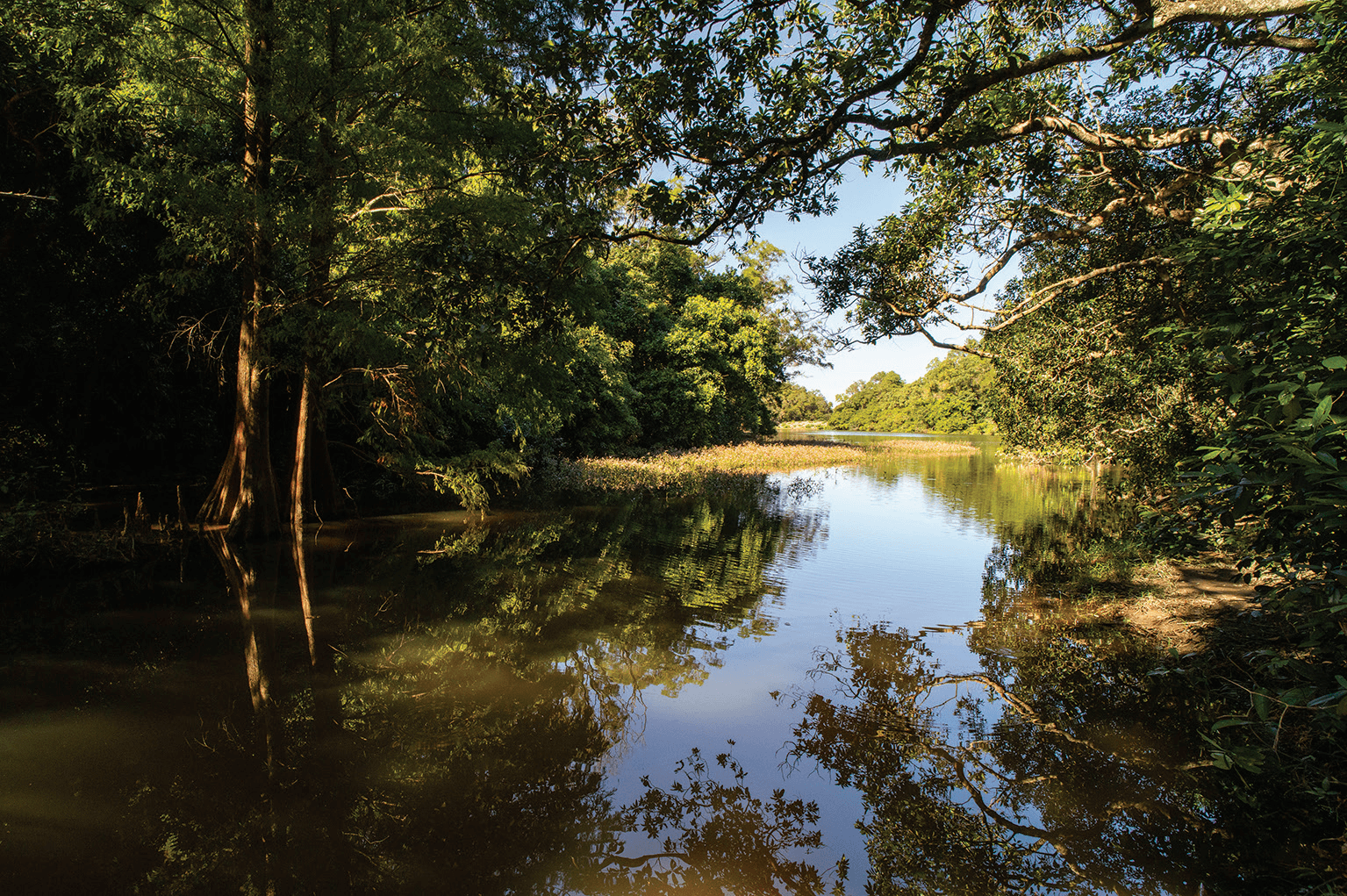
High Ecological Value of Natural Habitats in Catchment Areas
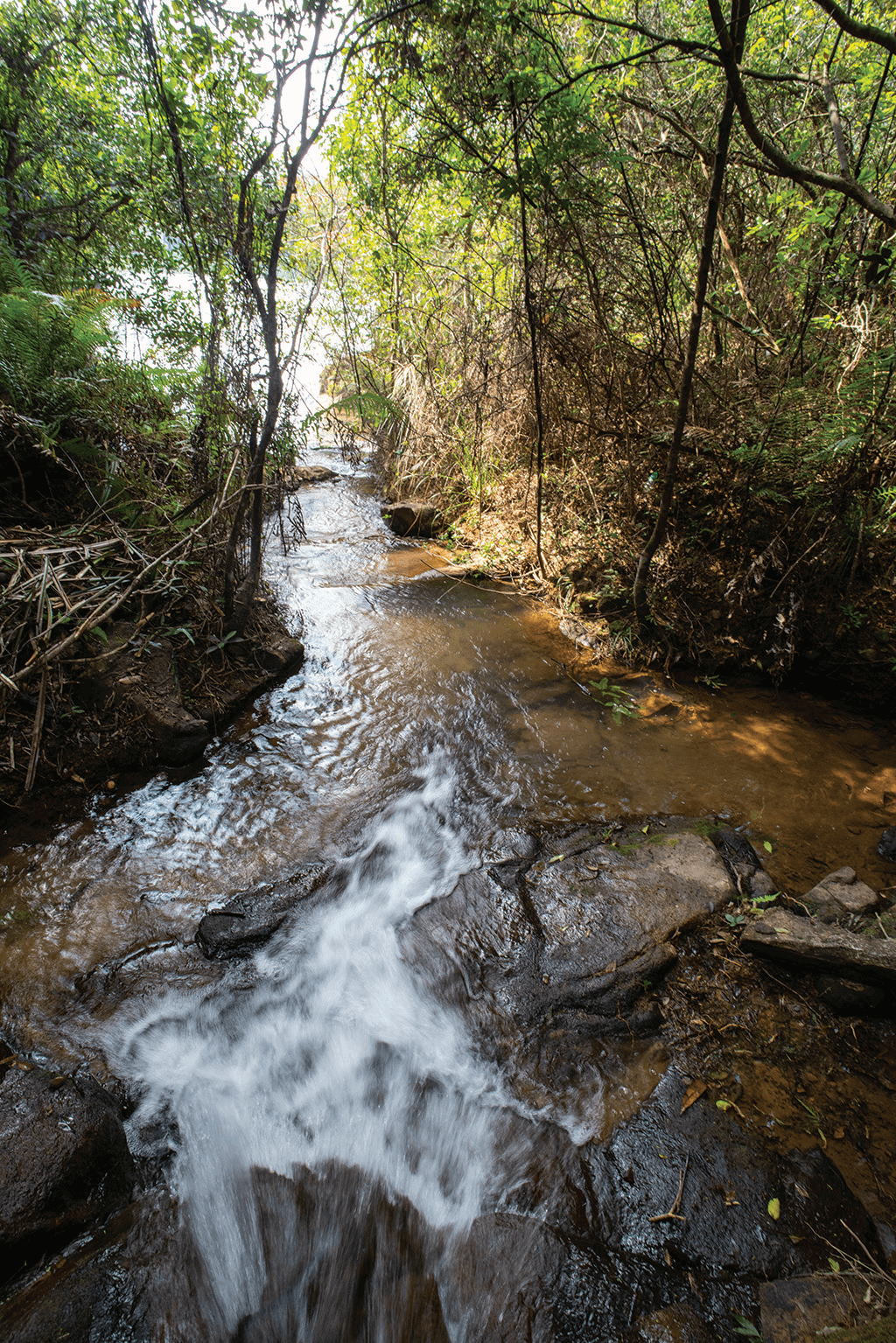
The importance of safeguarding reservoirs from contaminants is generally well understood. However, streams and catchwaters are also important parts of water gathering grounds, and to prevent contamination, people should not enter these waters.
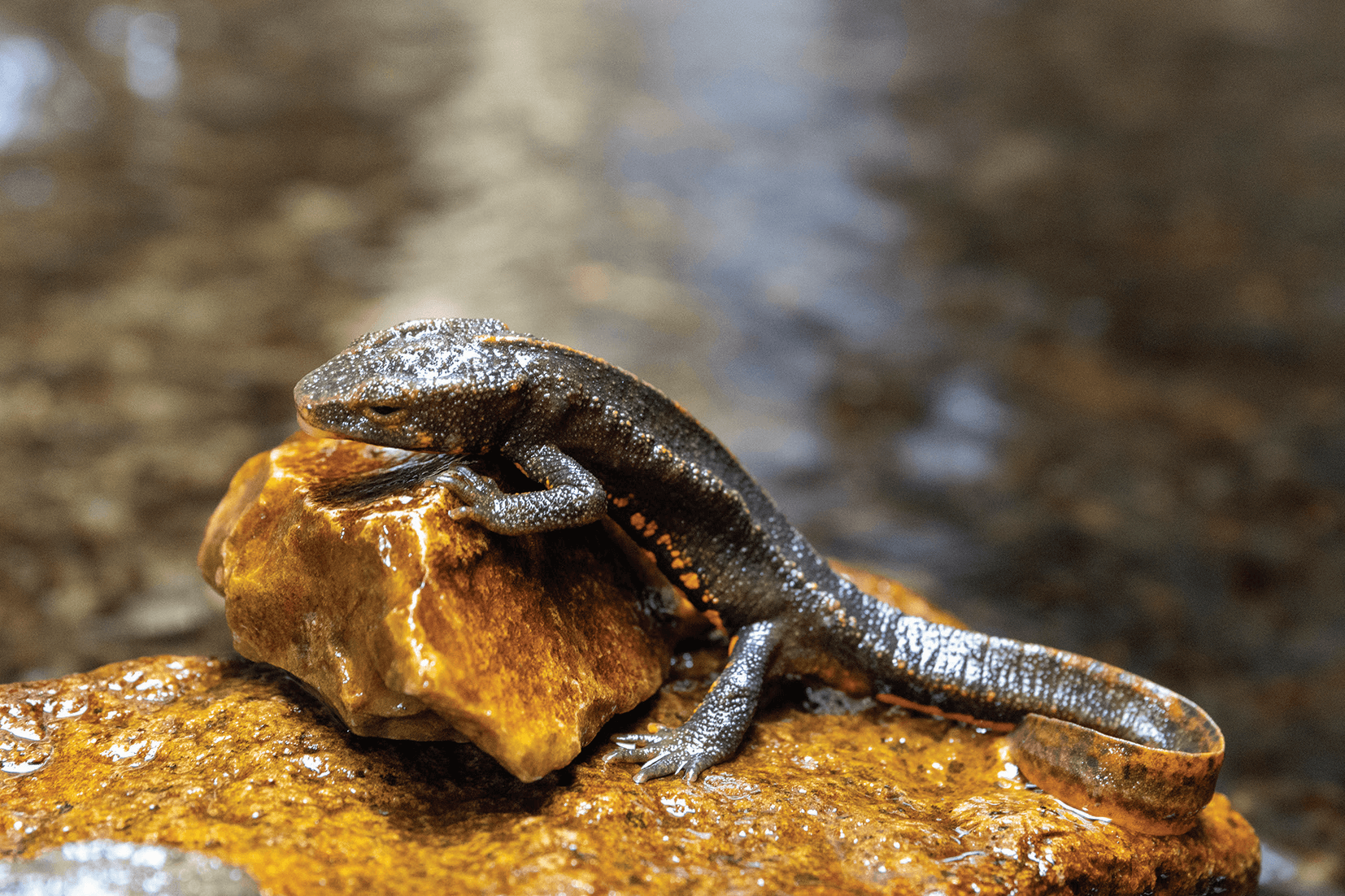
Rivers and streams are ideal habitats for a variety of wildlife and plants. Plants growing alongside rivers offer nourishment for the river life, to shield sunlight, as well as to regulate water temperature and purify the water. It is common to find freshwater fish such as the pond loach and goby in Hong Kong’s rivers and streams, and the amphibious Hong Kong Newt has also been recorded in Tai Shing Stream.
The city’s “Top-Nine Major Streams” are among Hong Kong's top hiking attractions. It is important to note that Tai Shing Stream, Ping Nam Stream, Lin Fa Stream, Ng Tung Stream and Wang Chung Stream are all located within water gathering grounds, whereas Sheung Luk Stream, Wong Lung Stream, Ngong Sham Stream and Shui Lo Cho Stream are partly located in the gathering grounds. The public should be aware and should not enter those areas for bathing or washing.
Water Tunnel Habitat for a Variety of Mammals
Bats are the largest group of native mammals in Hong Kong. According to the Agriculture, Fisheries and Conservation Department (AFCD), there are 55 species of mammals recorded in Hong Kong, of which 25 are bats. Ten of the bat species are widely distributed in water tunnels or abandoned mine caverns, indicating that water tunnels provide a suitable habitat for bats. Bats can play a balancing role in the ecosystem; take insect-eating bats for example, they can eat dozens to hundreds of insects every hour. Large bat colonies can consume tons of insects in a single night, including crop-eating beetles and moths. Alternatively, fruit bats which feed mainly on fruits and the nectar of flowers, can help to spread pollen and seeds. Bananas and mangoes both flower at night and rely on bats to pollinate their flowers.
Further Enhancing Biodiversity
The WSD not only relies on the public to safeguard the habitat of the city’s reservoirs and gathering grounds, but also by participating in an eco-friendly initiative: Hong Kong's first city-level Biodiversity Strategy and Action Plan 2016-2021, initiated by the former Environment Bureau (currently the Environment and Ecology Bureau). In collaboration with other government departments, the WSD aims to enhance the conservation of streams and catchwaters by improving maintenance procedures to reduce its impact on the ecosystem.
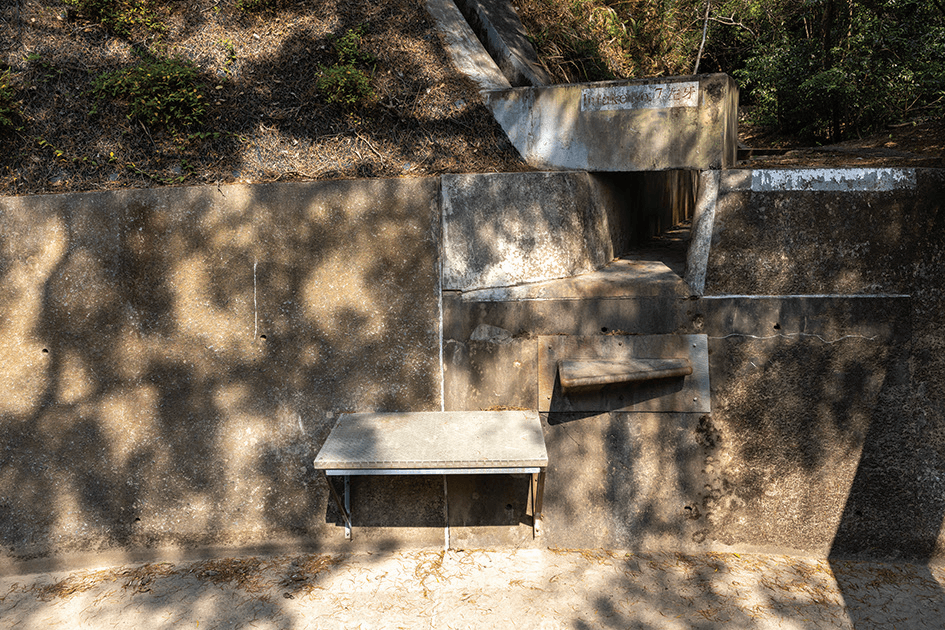
Supported by the AFCD, the WSD has piloted a number of wildlife-friendly measures in catchwater areas, such as installing animal escape routes and using ecological friendly materials in its improvement works. For example, additional stairways and non-slip materials have been applied to stone walls on both sides of the catchwater on Lantau Island.
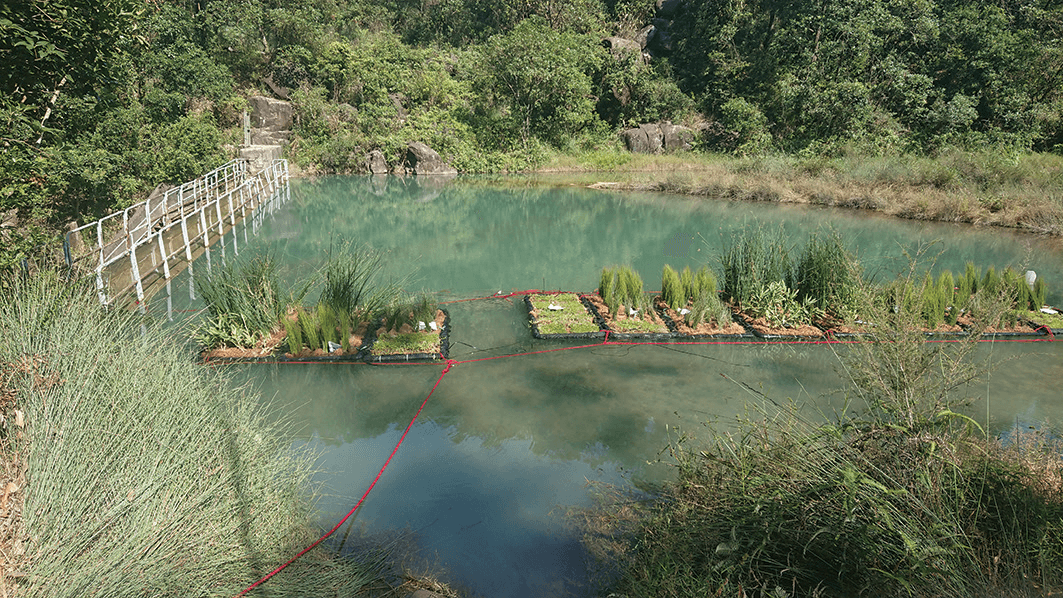
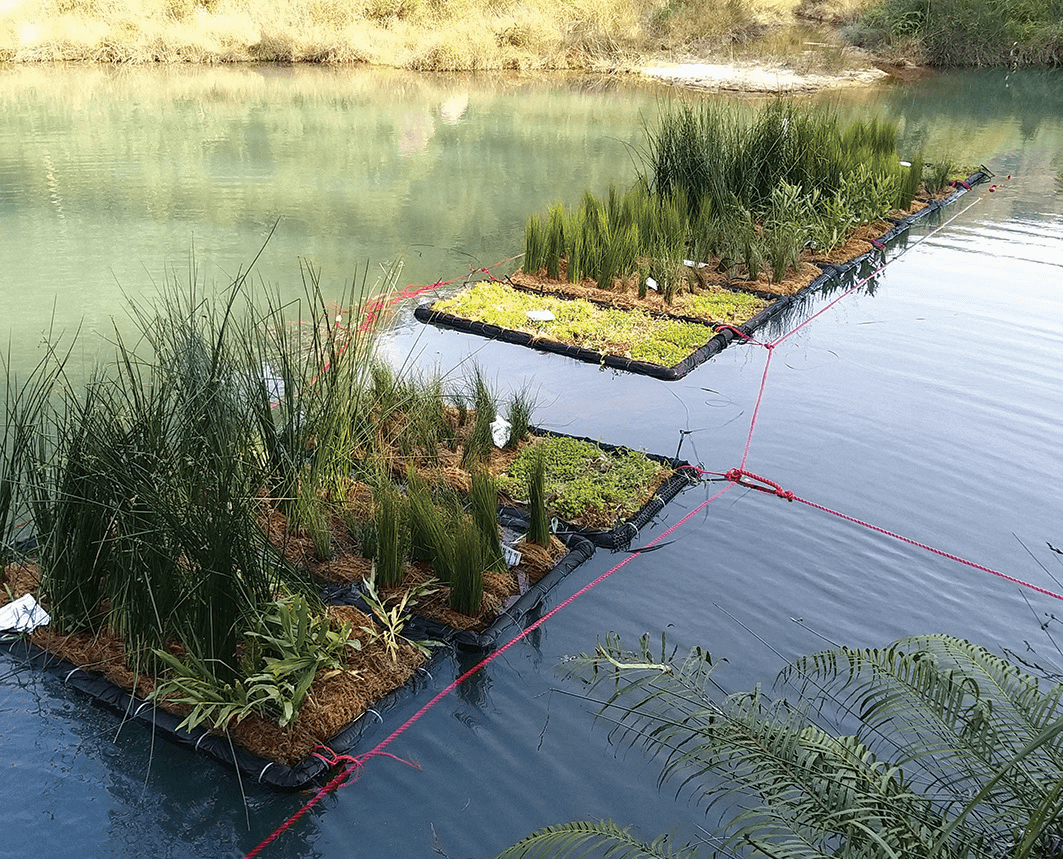
The WSD has also worked with various green groups, including on a pilot scheme to divert part of the collected rainwater to the downstream Tung Chung River on Lantau Island. The scheme supports ecological studies and the recovery of downstream freshwater habitats. Also, a number of biodiversity pilot projects have been launched in irrigation reservoirs, including the trial use of ecological floating islands and an ecological survey in the Hung Shui Hang Irrigation Reservoir. It is envisioned that by planting a variety of aquatic plants on the floating island, various small insects and birds will be attracted to inhabit the platform. As a result, the reservoir’s biodiversity will improve, as well as improving the physical landscape.